The True Game
According to Davi Kopenawa, every forest being possesses an image—*utupë*—which is its true center. What the hunter kills is merely the envelope; the real animal cannot be eaten.
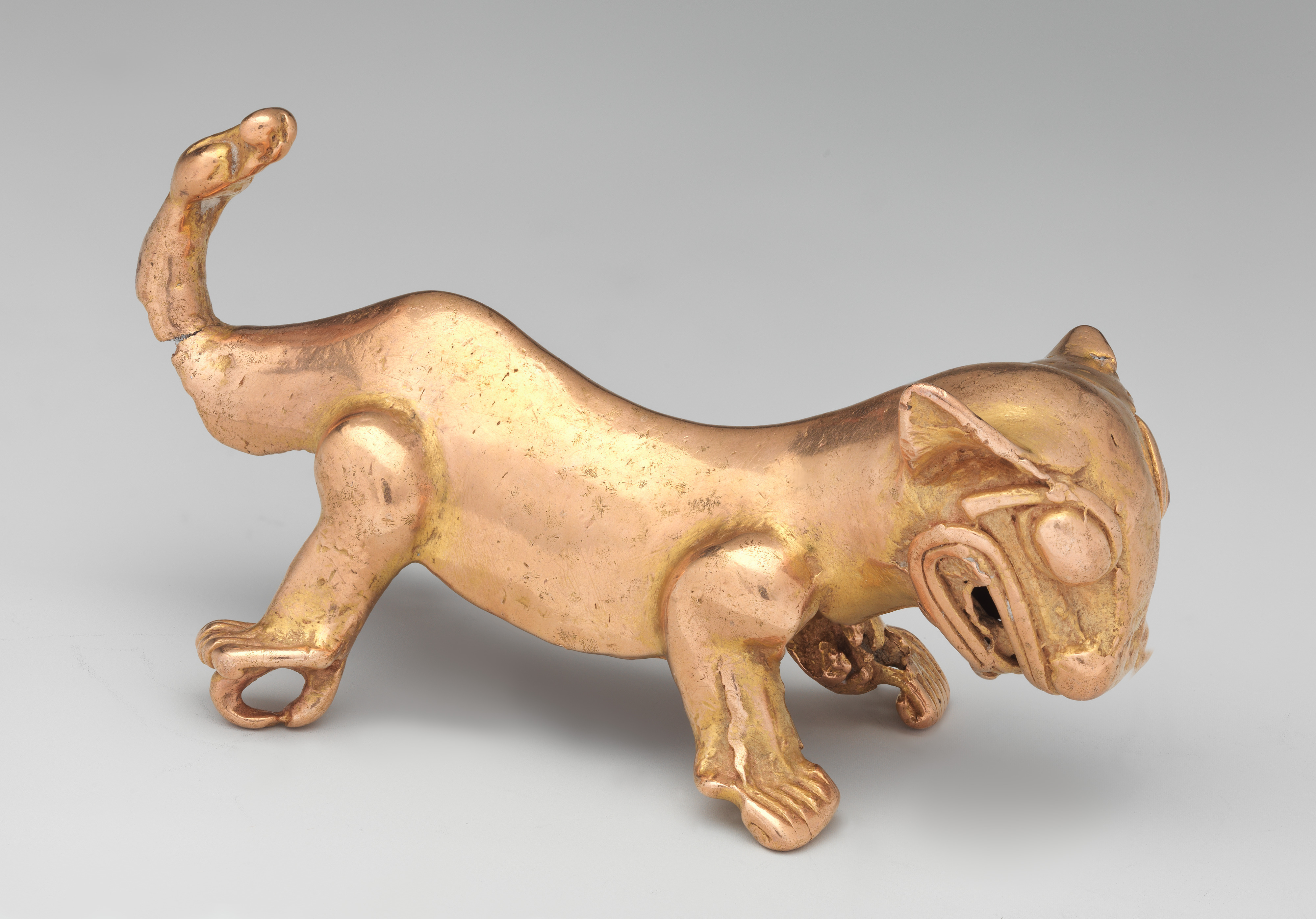
When Davi Kopenawa lists the creatures of his forest—scarlet and blue macaws, toucans, tapirs, deer, jaguars, peccaries, even electric eels and the small catfish of the rivers—he is not drawing up an inventory of game. A shaman and spokesperson for the Yanomami of Brazil’s northern Amazon, he describes what the shaman sees when the entire forest comes to dance before him. For every animal, he says, harbors another: its image. And it is the image, not the flesh, that is the true animal.
All the beings of the forest possess an image, utupë. It is these images that the shamans call and bring down. It is they who dance for them, becoming xapiri. They are the true center, the true interior of the animals we hunt. These images are the real game—not the one we eat!
The word carries the full weight of the sentence: utupë, the image. Not the reflection of a thing, nor its drawn figure, but what Kopenawa calls “the true center, the true interior” of the being. The tapir one arrows in the trees and the tapir that descends, luminous, in the shaman’s vision are not the same: one is the perishable envelope, the other the original image, infinitely more beautiful, which remains when the beast falls. The xapiri—these images turned into auxiliary spirits that the shaman summons and makes dance—are precisely this: not ghosts added to the world, but the inside of animals made visible.
At first, we scarcely grasp what this overturns. In our language, an image is an impoverished double: the copy of an original that is the real thing. The photograph comes after the body, the portrait after the face, the shadow after what casts it; the image is always secondary, and a little less true than what it reproduces. Since Plato, we have classified images on the side of appearances, and the solid, the edible, the weighable, on the side of being.
Kopenawa inverts the order entirely. For him, the image is not the copy of the animal: it is its center, and the flesh is but its passing surface. The true game, what makes a tapir a tapir, is not the meat brought back to camp—it is this image that only the shaman can see and summon, and that no one can eat. The hunter takes an envelope; the being itself remains untouched. Where we hold the body to be the real and the image its shadow, the forest holds the image to be the real and the body its garment.
Let us not too quickly read into this our own nostalgia for a re-enchanted world. This is not poetic metaphor, nor the vague notion that “everything is alive.” It is a precise cosmology, where every existent possesses its utupë received in the first time, and where the shaman’s craft consists in entering into commerce with these images—a difficult, dangerous knowledge that Kopenawa offers to outsiders without surrendering it entirely. We need not believe it to be unsettled by it. It is enough to hear what it would do to our relationship with animals if, beneath the thing we take, we glimpsed a center that nothing we take from it reaches—and that watches us.
Sources cited
- Davi Kopenawa & Bruce Albert, La Chute du ciel. Paroles d'un chaman yanomami, ed. Plon, coll. Terre humaine, 2010, trans. Bruce Albert (propos yanomami recueillis et traduits).