The Illusion of Control
Nature Between the Theater of Names and Personal Vanity
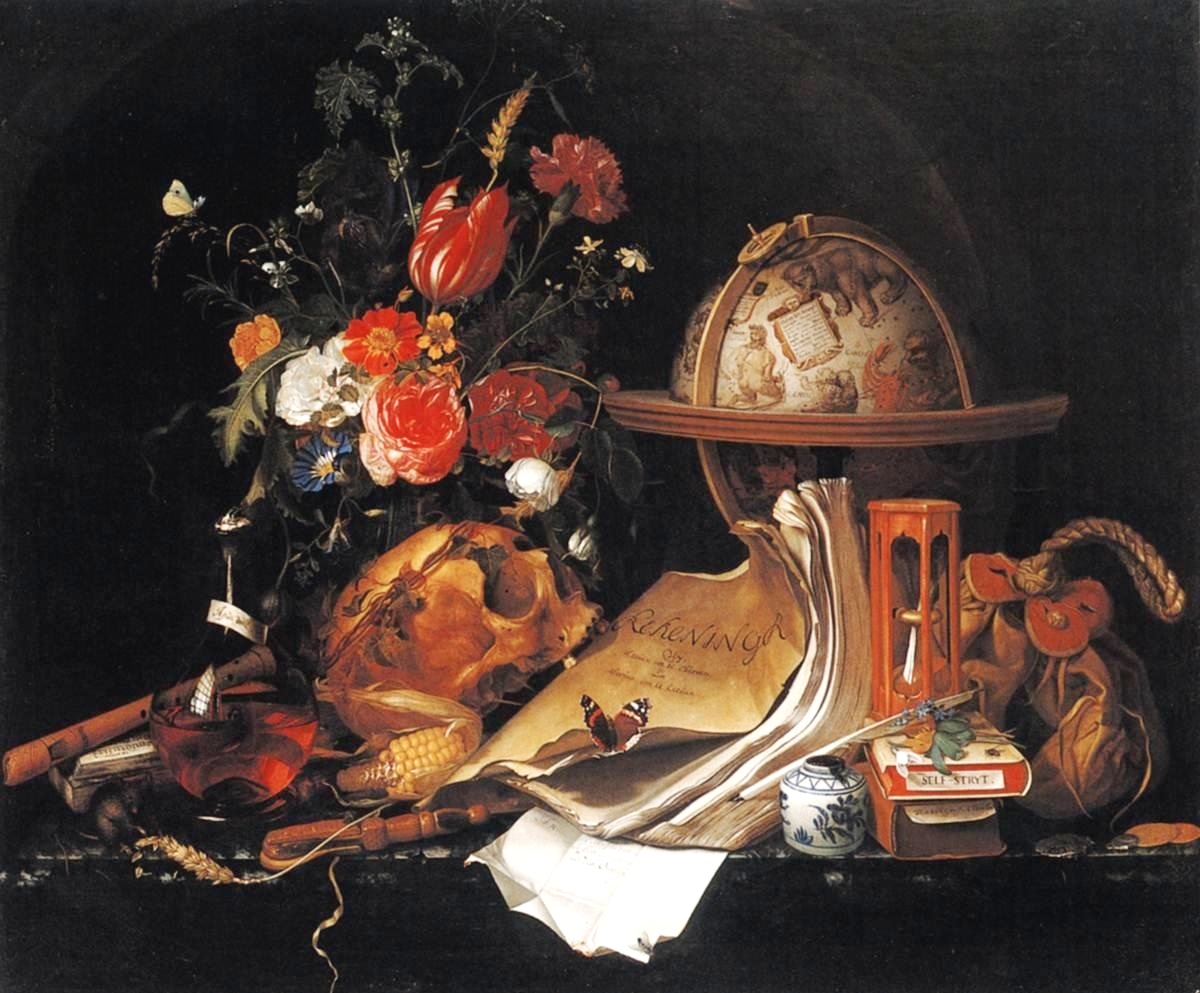
Words sometimes designate less than they hold. A title, a reference—and already a space opens where questions take shape before they are even formulated.
The Mounts of Wisdom
The work of Ibn al-ʿArabī presented here in translation is called Fuṣūṣ al-ḥikam in the original Arabic, which literally translates as The Bezels of the Wisdoms.
The term bezel evokes a setting, a frame that holds a gemstone to reveal its brilliance. Here, wisdoms are presented as embedded realities, yet the text neither specifies their nature nor their relationship to nature. It merely names the work, leaving the reader face to face with an enigma: what in this title might illuminate the relationship between humanity and its surroundings?
If wisdoms are bezels, they are not objects to be grasped but forms that offer themselves to be seen. Yet nothing suggests these forms are tied to any form of domination or illusion of mastery. The text does not say whether humanity is their craftsman, their spectator, or simply the heir to their name.
The Vanity of Utility
2020; interview with Fernanda Santana, “‘Sustainable life is personal vanity,’ says Ailton Krenak,” Correio, January 25.
The reference to an interview in which Krenak describes “sustainable life” as “personal vanity” suggests a critique, though its contours remain undeveloped. The word vaidade carries the idea of pretension, an excess of confidence in humanity’s ability to organize the world according to its own criteria. Yet the text does not clarify whether this vanity extends to the notion of control, nor whether it implies violence toward the non-human.
Sustainability, here, is not rejected as a concept but as a posture. It becomes the symptom of a vision in which humanity places itself at the center, without the text explicitly stating what it proposes in its place. Nature is neither an object to be managed nor a subject to be respected: it is simply evoked as the space where this vanity unfolds, without any description of its own laws or sovereignty.
Two Fragments, Two Silences
Ibn ʿArabī names a book whose title evokes embedded wisdoms without detailing their content. Krenak points to a vanity, without explaining its mechanisms. Between the two, no bridge is built, no synthesis imposed.
The first text leaves open the question of whether the bezels of wisdom concern nature, humanity, or something else entirely. The second suggests that sustainability might be nothing more than an illusion, without specifying what makes it so. Neither speaks of control, domination, or sovereignty. They merely designate realities without developing them, as if their power lay precisely in what they leave unsaid.
Perhaps this is where they meet: in the absence of ready-made answers. One presents a framework, the other a critique, without either claiming to offer a solution. They stand side by side, like two fragments of the same enigma, without seeking to resolve it.
Sources cited
- Ibn ʿArabî, Les Chatons des sagesses (Fuṣûṣ al-Ḥikam), ed. .
- Ailton Krenak, A vida n o til, ed. Companhia das Letras, São Paulo, 2020, trans. trad. maison (du portugais).