The Greedy Root
The Dhammapada tears out craving as one uproots a vine; Spinoza holds desire as the very essence of man. To uproot, or to understand—two paths to no longer be dragged.
 Gold may fall like rain, yet it does not quench. The Dhammapada states this without pathos: “A shower of gold would not even slake the thirst for pleasures.” What fills does not satisfy; what is fed grows. An entire chapter—the twenty-fourth in Fernand Hû’s translation—is devoted to this dynamic, which it never calls “thirst” but craving, and which it describes from beginning to end through a single image: a spreading plant.
Just as a sap-filled tree, though cut down, will sprout anew so long as its root remains intact, so too, so long as the tendency toward craving is not extirpated, this cause of suffering will always return.
The image dictates everything. Craving “spreads like a vine”; it sends man “wandering to and fro, like a monkey darting through the forest after fruit.” Above all, it has a root. One may cut down the tree—renounce this object, flee that temptation—but so long as the root holds, it will regrow. This is why the text does not propose pruning but uprooting: “As soon as you see this vine sprouting, tear it out by the root with Perfect Knowledge.”
What does the Dhammapada mean by craving?
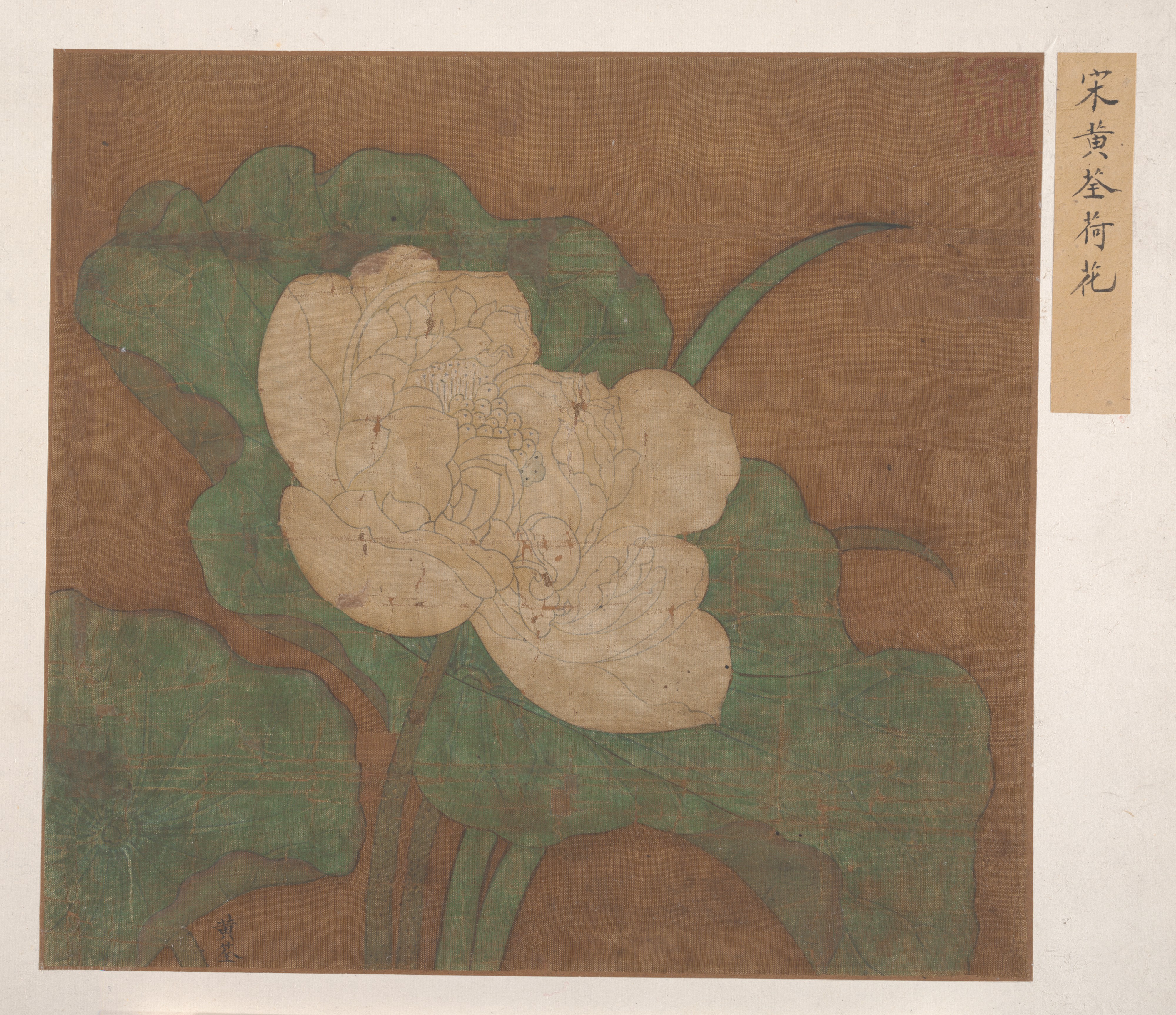
Not this or that desired object, but the very dynamic of clinging—this current “which they themselves have given birth to, as the spider weaves its own web.” The Pali term is taṇhā, thirst: it is not quenched by drinking but extinguished by drying up the source. The path proposed goes to the very end of the gesture—not to correct a fault, but to tear out a root, so that in the end no thirst remains. Then “sorrow gradually falls away from him, like water droplets from a lotus leaf.”
A philosopher from Amsterdam offers a radically different path—so much so that he would reject the first gesture outright. For Spinoza, desire is not a weed that has sprung up in man: it is man himself.
Desire is the very essence of man insofar as it is conceived as determined to act by any given affection within it.
Here, desire is not an accident from which one recovers: it is appetite “with awareness of itself,” the impulse by which every being strives to persist. Spinoza even inverts the order we take for granted: “we strive for nothing, will nothing, seek nothing, desire nothing because we judge it to be good; on the contrary, we judge a thing to be good because we strive for it, will it, seek it, desire it.” Desire does not follow our estimation of the good; it precedes and founds it. To uproot this root would be to fell the entire tree—for this time, the tree is us.
The two gestures do not meet along the way. The Dhammapada proposes extinction; Spinoza, understanding. One treats craving as a foreign root, to be torn out until nothing regrows; the other treats desire as the very sap, which cannot be cut without losing oneself. Where the first aims at cessation, the second knows no end to desire—only a change in its source. For what enslaves, according to Spinoza, is not desire as such, but passive desire: that which arises from inadequate ideas and is carried away by external causes, so that “man is dragged in different directions and does not know where to turn.” To this he opposes desire born of Reason, which flows from our sole power of understanding, and of which he makes this astonishing claim: it “cannot be excessive.”
And yet both texts name the same servitude. Consider the man each describes. The Dhammapada: the covetous one “runs to and fro, like a hare pursued.” Spinoza: “man is dragged in different directions and does not know where to turn.” The same body pulled in all directions, the same restless flight—not from an excess of desire, but because desire comes from an unseen outside: a greed fed by ignorance, affections born of what one endures. Both wisdoms promise to halt this flight. They do not ascend the same summit—the cessation of all thirst is not the active bliss of one who understands—but they free from the same bondage: no longer to be moved by what one does not discern. One dries up the source so that nothing grows; the other illuminates it so that desire arises from oneself, not from the chase. To uproot, or to understand: two opposing hands on the same rope, so that one ceases to be dragged.
One question remains, which neither uprooting nor understanding settles in advance, and which each must ask in the secrecy of what sets them in motion: is this thirst that rouses me in the morning carrying me, or hunting me?
Sources cited
- trad. attribuée à Bouddha, Dhammapada, ed. Ernest Leroux, 1878 (Bibliothèque orientale elzévirienne, XXI), trans. Fernand Hû.
- Baruch Spinoza, Éthique, ed. Wikisource (trad. Charles Appuhn, 1913), trans. Charles Appuhn.