A Peaceful Land
Shigeru Kayano, the first Ainu elected to Japan’s Diet, rejected the label assigned to him—“former indigenous”—and reclaimed the name his land had always borne: Ainu Mosir, the peaceful land.
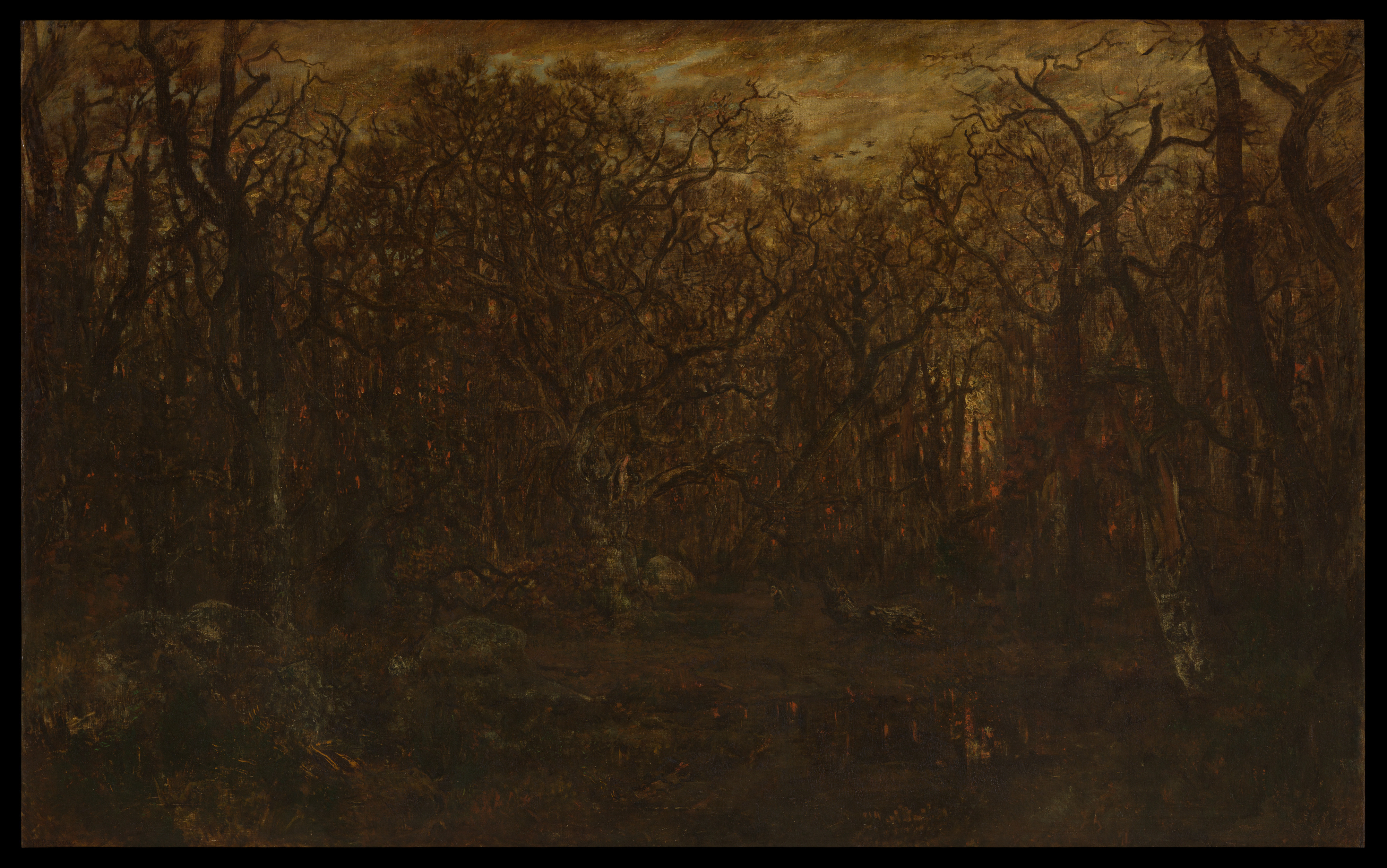
Around Nibutani, Shigeru Kayano recalls, stood a katsura forest so thick that trunks two meters wide were common, and deer roamed in herds. The Ainu took only what they needed—game, salmon from the Saru River—and nothing more. Then came the Meiji era: the same mountains, without warning, became “national forests” of the Japanese state, later sold off to a major financial group. A single administrative term had turned a lived-in land into a disposable resource.
Kayano, who in 1994 became the first Ainu elected to Japan’s Diet, refused another label foisted upon him: that of “former indigenous,” coined by an 1899 protection law that classified his people as subjects in need of civilization. In his memoir, he countered with a name his land had borne long before any Japanese law applied to it.
English (translated from Japanese) We are no “former aborigines.” We were a nation who lived in Hokkaido, on the national land called Ainu Mosir, which means “a peaceful land for humans.” The “Japanese people” who belonged to the “nation of Japan” invaded our national land.
English We are not “former indigenous.” We were a nation living in Hokkaidō, on the national land called Ainu Mosir, which means “a peaceful land for humans.” The “Japanese people,” belonging to the “nation of Japan,” invaded our national land.
Mosir: the land, the world, the country. Ainu Mosir, then, is not just another toponym—it is not “Hokkaidō” translated into Ainu. It is a name that carries a judgment about what this land is: peaceful, made for living. Against it, two other names compete for the same ground. “Former indigenous” consigns a living people to a bygone past, the better to justify civilizing them. “National forest” reduces an inhabited land to an asset, the better to justify selling it. Neither names what is there; both name what is to be done with it.
Kayano does not stop at lament. He raises a question of law, framed in the very terms of the law arrayed against him: if the Japanese people had borrowed this land, there should be a lease; if they had bought it, a deed of sale. Knowing of neither, he can only conclude: no one among the Ainu remembers selling or lending Ainu Mosir to anyone. The reasoning is utterly sober—no overflowing indignation, just an invoice demanded, and one that does not exist.
In 1994, at the Diet’s podium, Kayano spoke in Ainu—the first time the language echoed within the halls where Japan’s laws are made. This was no display of folklore. It was a name being restored, in the only place where names carry the force of law.
Sources cited
- Shigeru Kayano, Our Land Was a Forest: An Ainu Memoir, ed. Westview Press, 1994 (orig. japonais, 1980), trans. Kyoko & Lili Selden (du japonais vers l'anglais) ; rendu français maison.