Postponing the End of the World
Ailton Krenak, Krenak thinker of the Rio Doce, inverts the formula: the end we fear as a future has already come to pass—and what keeps the world from ending is dreaming, practiced as an institution.
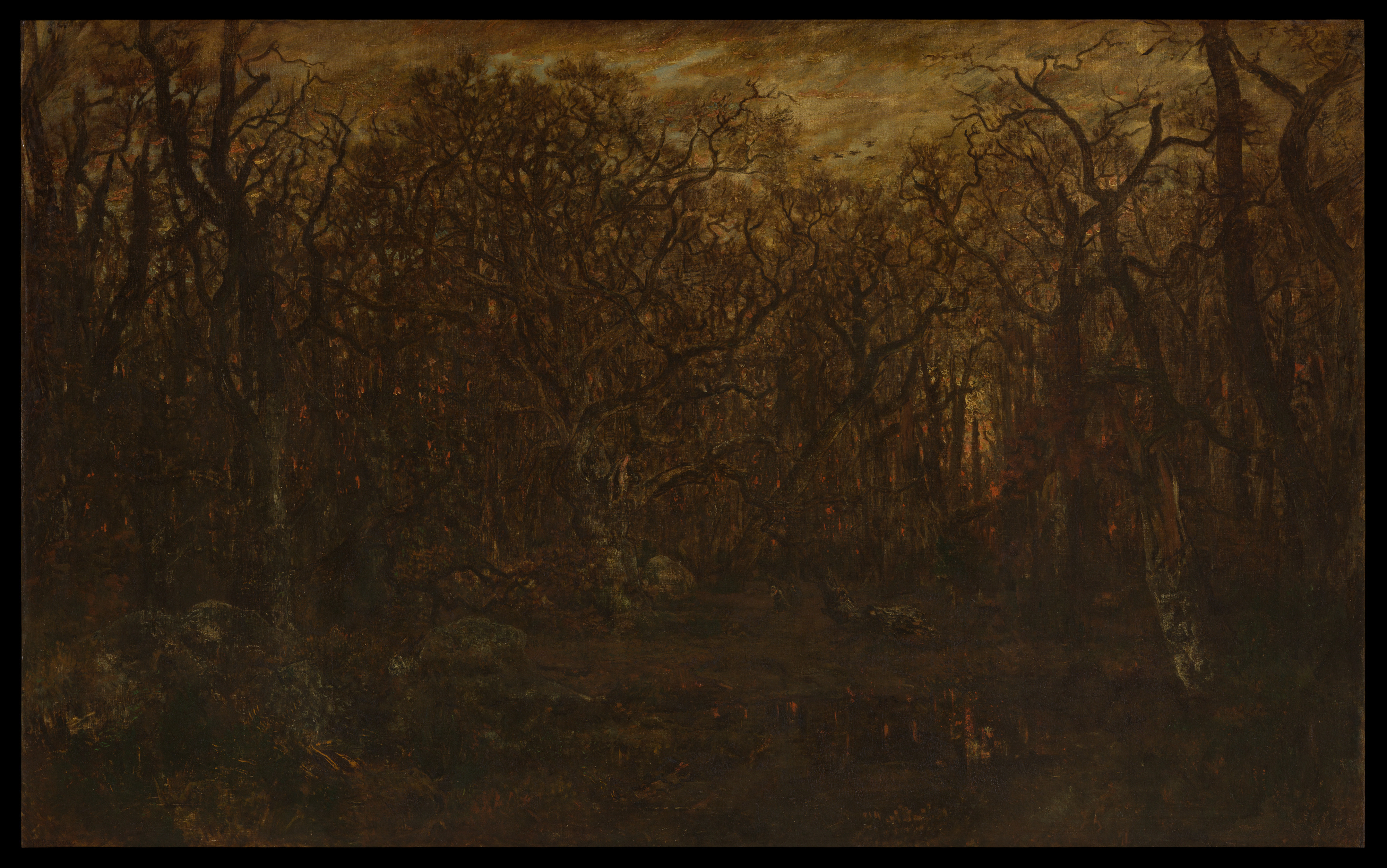
Postponing the end of the world: the phrase circulates everywhere, like a program. Slowing it down, buying time, delaying collapse. Ailton Krenak knows it better than anyone—Ideias para adiar o fim do mundo, ideas for postponing the end of the world, is the title of one of his books. But when he revisits it in the words gathered under A vida não é útil, it is to dismantle its obviousness. For the end we dread as a future event has, for him, already arrived.
We readily believe it is about moderating our consumption to keep disaster at bay. Krenak takes this proposition at face value, then shifts it one notch further.
Portuguese (Brazil) A proposta de desacelerar nosso uso de recursos naturais pode sugerir a ideia de adiar o fim deste mundo, mas, em alguns lugares, esse fim já aconteceu — ontem, hoje cedo, vai acontecer depois de amanhã.
English The proposal to slow our use of natural resources may suggest the idea of postponing the end of this world; but in some places, that end has already come—yesterday, early this morning, it will come the day after tomorrow.
Everything hinges on the demonstrative: adiar o fim deste mundo—postponing the end of this world. Not the world, but a world: the one a single way of life has spread across the planet. For the peoples of the Americas, this world arrived once before, bringing an end—the conquest, rivers killed, peoples cast aside. Apocalypse is not, for them, a horizon: it is a memory. When Krenak announces the end of the world, he even resists the idea: I bring old news. His tone is not that of prophecy; it is the observation of someone who has already survived one collapse, watching others fear their own.
What, then, does he set against the end? Not a technique to slow it down. Among his people, something precise keeps the world from unraveling—and it is not what a European would call dreaming.
Portuguese (Brazil) Sonhar é uma prática que pode ser entendida como regime cultural em que, de manhã cedo, as pessoas contam o sonho que tiveram.
English Dreaming is a practice one can understand as a cultural regime: early in the morning, people recount the dreams they had.
Here, dreaming is not the private fantasy of a sleeper. Krenak speaks of it as an institution that prepares people to engage with daily life: at dawn, one tells of the dream they had, not in the public square but to those with whom they live, and from this account depends the day’s course—whether to travel or stay, to fish or withdraw. Dreaming is a place where affects circulate, he says: it carries ties from the night world into the dawn, making them active. In this usage, dreaming is not an escape from reality: it orients it. And from this comes the power to defer an end—not through calculations about resources, but through the capacity to imagine another habitable world. We will need, he writes, to produce other bodies, other affects, to dream other dreams in order to be welcomed by this world and inhabit it.
This is no call for sentimentality. Postponing the end of the world, for Krenak, does not mean prolonging the present state of things. He has no desire to save the world as it is.
Portuguese (Brazil) Nesse mundo pronto e triste eu não tenho nenhum interesse, por mim ele já podia ter acabado há muito tempo, não faço questão de adiar seu fim.
English That world, all made and sorrowful, holds no interest for me; for me, it could have ended long ago—I have no wish to postpone its end.
The world whose fall he will not mourn is the one of the machine that makes things, of schools that reproduce injustice, of the subject “empowered to operate in the world, to wage war.” Postponing the end, then, is not about preserving: it is about keeping open the interval where another world can be dreamed. What he refuses to hasten is not the end of the unjust world—but the end of the possibility of dreaming a just one.
We must draw a line before drawing parallels. Our language has coined a word for what he seems to be saying: collapsology, the study of a possible collapse of industrial civilization, to face it squarely and decide calmly what to do with it. Krenak takes the same words—postpone, slow down—and empties them. For him, the end is not ahead but behind, and it continues; and what holds the world together is not a braking applied to the same world, but the passage to another, through dreaming. Collapsology measures the fall of a world and seeks to buy time; Krenak, who has already lived through a fall, asks what world we are still capable of dreaming. One makes the end a future object; the other has made it an experience, and turns toward what begins anew. The narrow ground they share—rejecting the man who stands above his fate—must not obscure that one calculates a delay while the other changes worlds.
And his gesture is not the one already familiar to us: fruição, savoring life instead of making it useful, belongs to a life; postponing the end of the world belongs to the scale of worlds and their ends. To savor, a world must first hold—and it is dreaming, Krenak says, that holds it.
What remains is the question he leaves in our language, one we may ask without answering for others: not how much time we have left, but what world we are still capable of dreaming.
Sources cited
- Ailton Krenak, A vida não é útil, ed. Companhia das Letras, São Paulo, 2020, trans. trad. maison (du portugais).