The Gift That Circles
Among the Potawatomi, it is the honoured guest who gives. Robin Wall Kimmerer calls this gesture *minidewak*—'giving from the heart'—and sees in it another way of holding the world: not as property to possess, but as a gift to pass on.
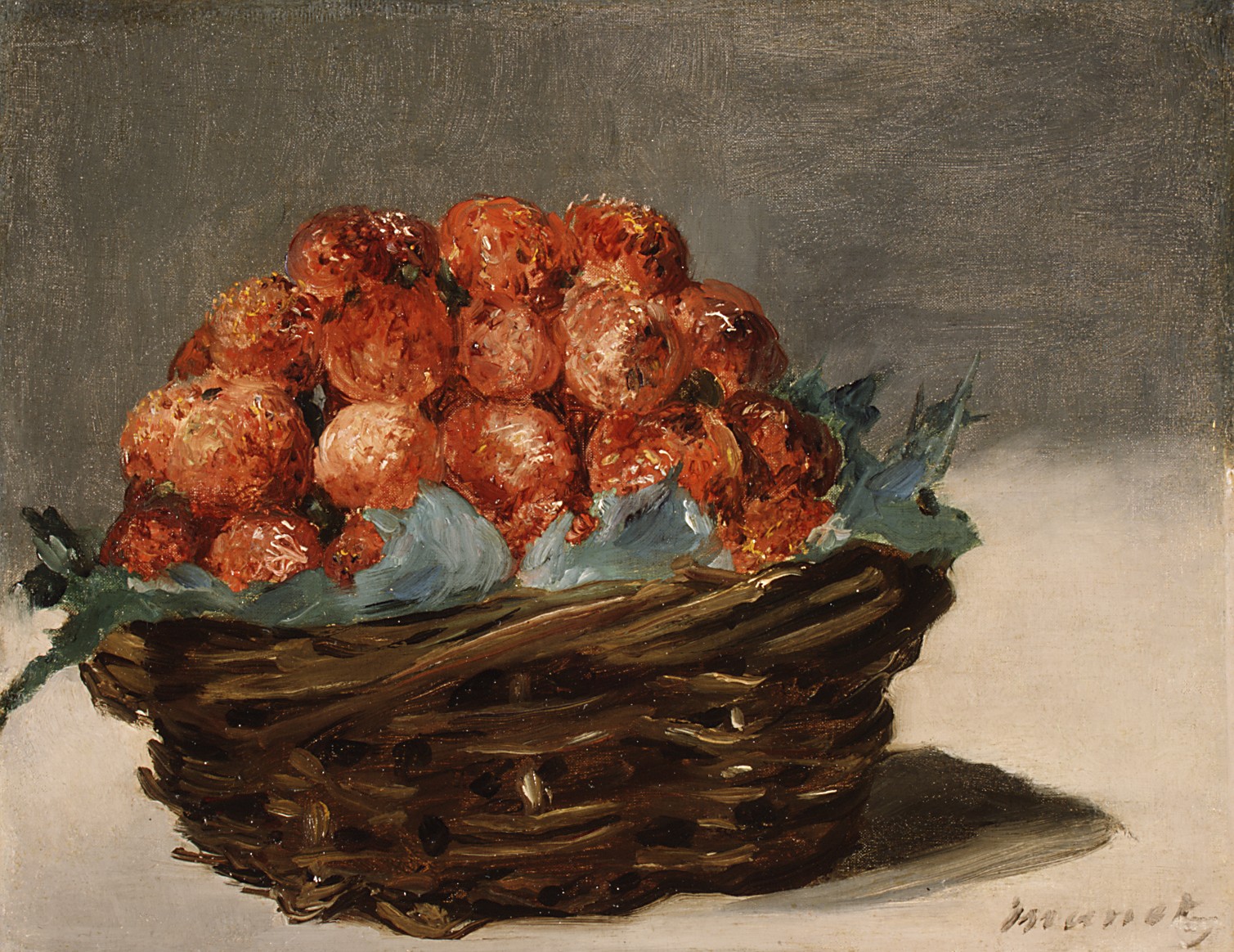
Red against green, the berries rest on the grass: the earth is lavish, spreading its gifts across the green. It is summer, the season of abundance and gathering. Beneath the shelter, a towering pile of offerings rises on blankets, and each person lines up to choose before radiant hosts. One thing, however, unsettles the outsider’s gaze: it is not the guests who bring gifts to the honoured one. It is the other way around. Robin Wall Kimmerer, botanist and member of the Potawatomi Nation, gives this reversal a name.
It is our traditional giveaway, minidewak, meaning “to give from the heart.” […] Among the Potawatomi, the rules are reversed. It is the honoured person who offers gifts, piling them on the blanket to share their good fortune with others in their circle.
The word is precise, and it shifts everything. Where we expect to receive in our own honour, minidewak makes the celebrated one the giver. Generosity here is not a virtue of surplus, exercised once necessity is met; it is the very act by which one holds their place. The wealth of traditional peoples is measured by their capacity to give. Conversely, writes Kimmerer, accumulation weighs us down: “we are constipated by wealth, bloated with possessions, far too heavy to join the dance.” Those who take too much remain seated beside their hoard, alone, guarding their goods, while the circle dances without them.
Such a gift cannot be reduced to the object passing from hand to hand. A gift is not a purchase; its meaning rises beyond its material limits. A purchase severs the relationship: I have paid, I owe nothing, the thing is mine, closed. The gift, on the other hand, opens it. A gift asks something of you. To care for it. Receiving obliges—not to repay, but to tend and, when the time comes, to give again. That is why in a culture of gratitude, everyone knows gifts will follow the circle of reciprocity and return to you: one does not settle a gift, one relays it. The circle is not a line where debt is cleared; it is a round where the gift, in circulating, holds together those it passes through.
What, then, do we mean when we speak of the earth? Here, two grammars diverge. In Potawatomi, we speak of the earth as emingoyak: “that which has been given to us.” The name carries the gift within it: the earth is received, not owned. Our languages say something else. They speak, Kimmerer notes, of “natural resources” or “ecosystem services,” as if the lives of other beings were our property. The word already files the living under possession. As if the Earth were not a bowl brimming with berries, but an open-pit mine, and the spoon a backhoe. Between the two, it is not a matter of tone: it is the difference between what we keep and what we return.
For Kimmerer, the gift is not merely a human custom: it is how the world holds together. Berries offer their sweetness to birds and children, but on the condition that they scatter the seeds—“every sprouting, every bloom is reciprocal.” Step by step, the breath of plants answers that of animals, winter to summer, night to day. The earth and the rocks know they are dancing in a continuous minidewak, making, unmaking, and remaking the land. The ceremony only reminds us of what the living already practices: In the minidewak dance, we remember that the Earth is a gift we must pass on after receiving it.
Here lies the division the sentence leaves open. A gift received never fully belongs to the one who receives it: it is in transit, waiting to be passed. Property, on the other hand, stops at its owner. Of what sustains us—the air, the water, the sweetness of berries—what have we made: a possession we hold, or a gift we must keep in motion?
Sources cited
- Robin Wall Kimmerer, Tresser les herbes sacrées, ed. Le lotus et l'éléphant, 2021, trans. Véronique Minder.