Without Collaboration, We Are All Dead
Two Voices on the Persistence of Margins
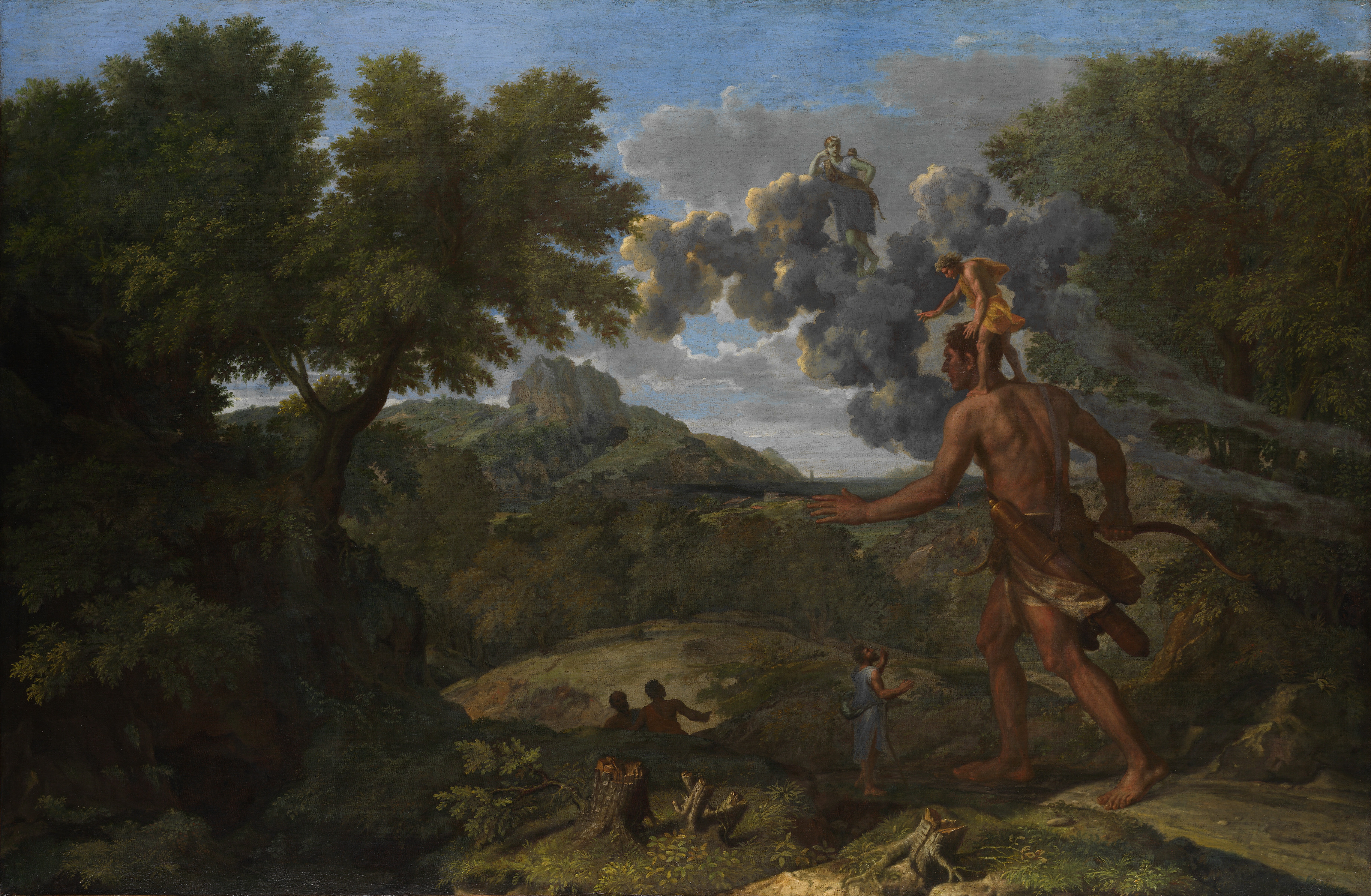
If margins endure, it is first through what binds them.
The Improvisation of Collaborations
Without collaboration, we are all dead.
The statement is unequivocal. It does not describe an ideal, but a condition. The collaborations in question are not chosen alliances, but necessities born of precariousness. They arise where dominant structures fail to ensure survival. Their form is not predetermined: it takes shape in the moment, from what remains, from what can still be assembled. The mushroom, the forager, the damaged forest—each depends on the others to persist, without any guarantee of duration.
This persistence is not a victory. It is a state of fact, fragile and provisional. The collaborations Tsing speaks of belong neither to a plan nor to a tradition. They are local responses to global disorders, makeshift arrangements that hold as long as conditions allow. Their strength lies in their adaptability; their weakness, in their dependence on circumstance.
The Cycle of Solidarities
Thus empires, like individuals, have an existence and a life of their own; they grow, they reach maturity— The text here reads: -£>^y^ Jt , expressed in rather imprecise terms: resupiruB.
Ibn Khaldūn’s words unfold in a different temporality. Empires are born, flourish, and decline according to a movement that transcends individual will. Their persistence does not rely on improvised collaborations, but on a collective force he calls ‘asabiyya: an organic solidarity, often tribal, that enables peripheral groups to resist, then to prevail.
This resistance is no accident. It is a moment in a broader cycle, where margins become centers, only to erode in turn. ‘Asabiyya is not a response to precariousness, but a structure that precedes and surpasses it. It is not negotiated: it is transmitted, strengthened, or weakened according to laws Ibn Khaldūn observes as a naturalist might observe the seasons.
What Endures
The two voices do not meet. One speaks of fleeting collaborations, the other of historical cycles. Yet they share a common attention to what allows for duration.
For Tsing, survival is a matter of immediate bonds, of acknowledged dependencies. For Ibn Khaldūn, it is a question of deep cohesion, of ties that span generations. One sees persistence as an art of the instant; the other, as a law of long time.
But in both cases, the resistance of margins is no exception. It is a condition of existence itself. Without collaboration, without ‘asabiyya, there can be no survival—neither for individuals, nor for empires.
Sources cited
- Anna Tsing, Le Champignon de la fin du monde, ed. .
- Ibn Khaldûn, Les Prolégomènes (Muqaddima), tome 1, ed. Notices et extraits, Imprimerie impériale, Paris, 1863, t. 1, trans. William Mac Guckin de Slane.