Nature: Legal Subject or Shattered Mirror?
Three Irreducible Epistemologies of Relation
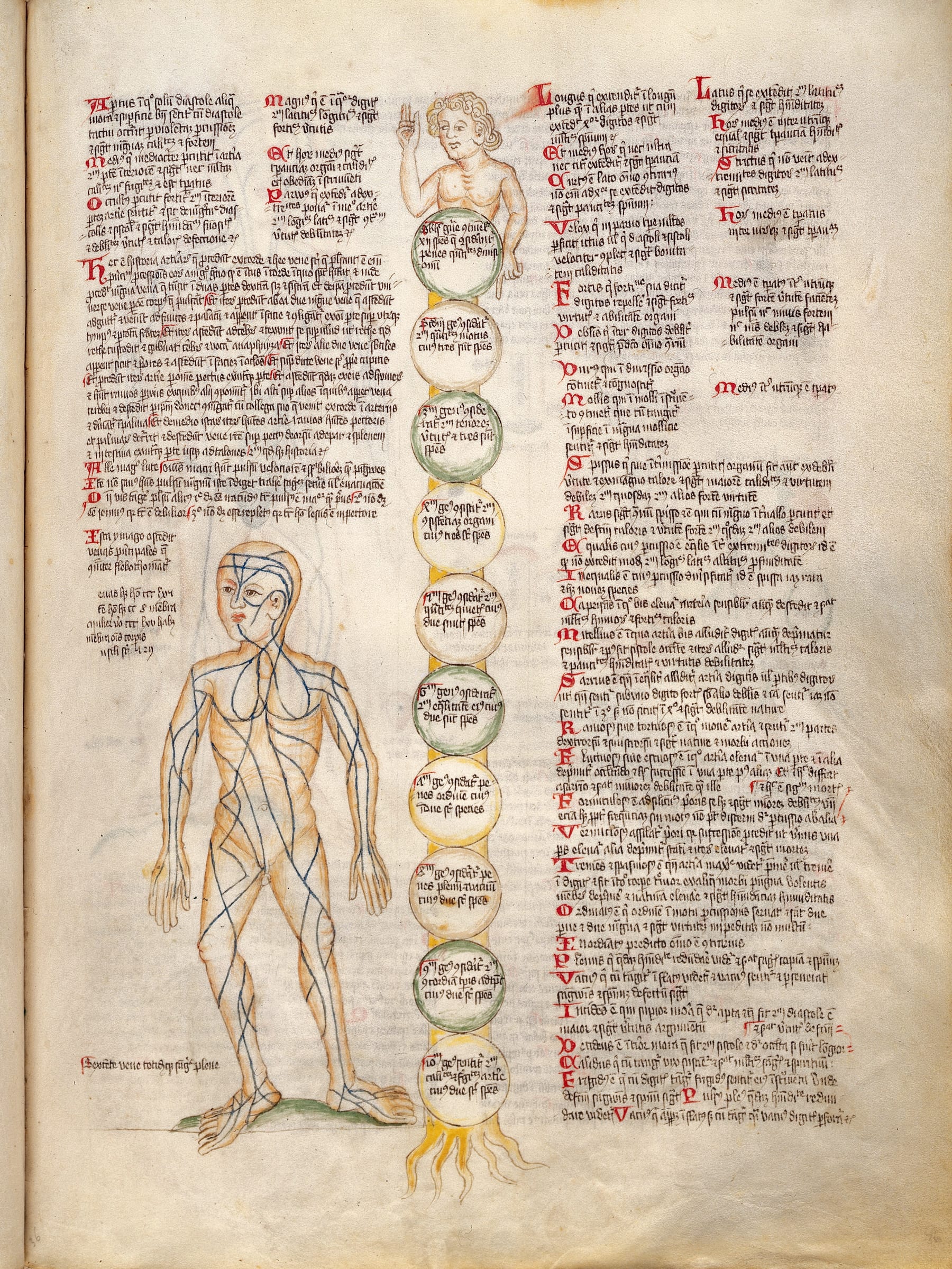
He who speaks of nature speaks first of himself. The words chosen to name it betray less an external reality than a way of dwelling in the world—or of withdrawing from it. Three fragments, three silences. Davi Kopenawa evokes an original separation between the images of the xapiri and the forest; Aldo Leopold describes an ecological disaster as a broken equation; Ibn ʿArabī dissolves all polarity in the mirror of the Absolute. Their propositions do not meet: they exclude one another. Yet it is in this very gap that a truth larger than any of them takes shape.
The Forest as Spiritual Alter Ego
Davi Kopenawa offers a cosmology in which nature is not an object to protect but a subject to hear. The passage he delivers does not describe a relationship but a rupture: « Omama’s kin remained above our forest, near the xapiri. Since then, their images have stayed apart from one another. » The terms used are not metaphorical but ontological. Omama, the creative figure, did not leave the forest; he distanced himself from it. The xapiri—shamanic spirits—are not symbols but active presences, whose “images” (the word is crucial) have grown remote. The forest is not a backdrop but a living body, traversed by forces consubstantial with it.
This vision does not merely grant a soul to trees or rivers. It posits an identity between the human and the non-human, not through resemblance but through participation. The xapiri are not intermediaries between two worlds: they are the world. Their separation is not a loss of contact but an ontological fracture. In this perspective, the forest does not need rights to be protected: it is already a subject, equal to the human. The question is not to recognize its dignity but to relearn how to see it as such.
Kopenawa’s language resists any translation into legal or ethical terms. When he speaks of distance, he does not mean environmental degradation but a cosmic disintegration. Nature is not a heritage to manage but a face to acknowledge. The xapiri are not guardians of the forest: they are its eyes. Their absence is not a technical problem but a spiritual blindness.
The System to Decipher Through Critical Reason
Aldo Leopold approaches nature as a set of processes whose balance can be disrupted—and must be restored. His account of the Dust Bowl does not describe a catastrophe but an equation: « In the early 1930s, in the southern Midwest, the overexploitation of land combined with a prolonged drought caused dust storms to strip away the topsoil, leading to ecological and social disaster. » The vocabulary is one of causality: overexploitation, drought, consequence. Nature is not a subject but a system whose laws can be understood—and violated.
This approach does not deny nature’s value but situates it within an operational framework. The Dust Bowl is not a punishment or a fate but the result of a miscalculation. Leopold does not speak of respect but of knowledge. The topsoil is not sacred: it is necessary. The disaster is not moral but functional. In this view, nature does not need veneration: it must be understood.
The passage mentions no human culprit but describes a mechanism. Drought is not a sign but a factor. Overexploitation is not a sin but a variable. Leopold does not propose an ethic but a method. Nature is not a mirror of the human but an object of knowledge. Its balance is not a preordained harmony but a state to maintain.
This vision does not merely describe: it prescribes. Ecological disaster is not a tragedy but a lesson. Nature is not a legal subject but a system to manage. Leopold does not speak of rights but of responsibilities. The topsoil is not a heritage but a resource. His approach belongs not to spirituality but to critical reason.
The Illusion to Transcend Through Metaphysical Knowledge
Ibn ʿArabī offers a path in which nature is neither subject nor system but an appearance to surpass. His passage does not describe a relationship but a tension: « the mirror of the absolute inalienability of Its Truth. This tension is indeed that between polarization and non-polarization, between an absolute consciousness that would contain all object latently and essentially within Itself and an infinite becoming that would absorb all subject into the infinite process of Self-actualization. » The vocabulary is metaphysical: truth, polarization, absolute consciousness, infinite becoming.
In this perspective, nature is not an alter ego or a system but a manifestation of the Absolute. It has no independent existence: it is a reflection. The tension Ibn ʿArabī describes is not between the human and the non-human but between the One and the many. Absolute consciousness does not contain nature: it encompasses it. Infinite becoming does not absorb the subject: it transcends it.
This vision does not deny nature’s reality but situates it within a larger framework. Polarization (subject/object, human/non-human) is not an error but a stage. Non-polarization is not fusion but transcendence. Nature is not a mirror of the human: it is a veil to lift.
The passage does not propose an ethic or a method but a knowledge. Absolute truth is not an ideal but a reality. The consciousness that contains all is not a metaphor but an experience. Ibn ʿArabī does not speak of rights or management but of realization. Nature is neither subject nor object: it is a passage.
The Impossible Convergence
These three propositions do not meet. They exclude one another. Kopenawa speaks of a rupture in the order of the world, Leopold of an error in the order of causes, Ibn ʿArabī of a tension in the order of the Absolute. Their languages do not translate: they cancel one another.
Yet it is in this very gap that a larger truth emerges. None of these paths can claim to exhaust the question of nature. Each offers a way of seeing—and thus a way of not seeing. Kopenawa cannot conceive of nature as a system, Leopold cannot conceive of it as an illusion, Ibn ʿArabī cannot conceive of it as an alter ego. Their propositions are not answers but questions.
Their dialogue leads to no synthesis. It reveals instead the limits of every approach. Nature as subject, as system, or as illusion: these three paths are not solutions but traps. Each encloses thought in a particular way—and thus in a particular blindness.
Omama’s kin remained above our forest, near the xapiri. Since then, their images have stayed apart from one another.
- Dust Bowl: in the early 1930s, in the southern Midwest, the overexploitation of land combined with a prolonged drought caused dust storms to strip away the topsoil, leading to ecological and social disaster.
Arabic English the mirror of the absolute inalienability of Its Truth. This tension is indeed that between polarization and non-polarization, between an absolute consciousness that would contain all object latently and essentially within Itself and an infinite becoming that would absorb all subject into the infinite process of Self-actualization.
Their dialogue leads to no conclusion. It reveals instead an aporia: nature cannot be thought as subject, nor as system, nor as illusion. It is what resists all thought—and thus what provokes it.
Sources cited
- Davi Kopenawa, La Chute du ciel, ed. Plon, coll. Terre humaine, 2010, trans. Bruce Albert (propos yanomami recueillis et traduits).
- Aldo Leopold, Almanach d un comt des sables, ed. .
- Ibn ʿArabî, Les Chatons des sagesses (Fuṣûṣ al-Ḥikam), ed. .