Reciprocity, or the Art of Dancing with Berries
A Meditation on the Ethics of Giving in *Braiding Sweetgrass
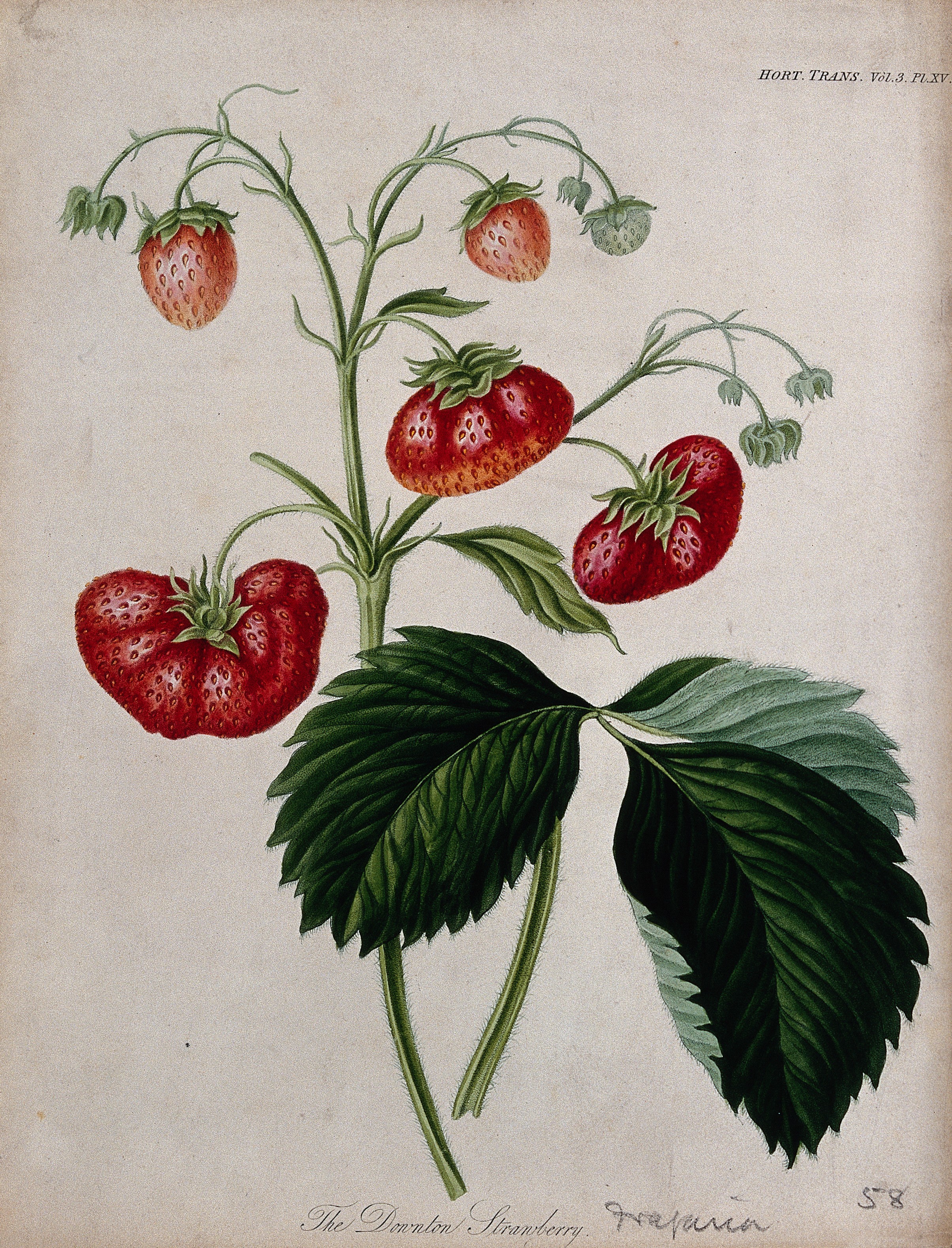
When wild berries spread their blanket of generosity, they offer more than sweetness to birds, bears, or children. According to Robin Wall Kimmerer, this gesture transcends mere food exchange. The berries expect far more than a thank-you: they rely on our commitment to scatter their seeds, to open new territories where they might take root. This silent pact binds humans and plants in an alliance where one’s prosperity depends on the other’s. The berries thus remind us of a simple truth: all flourishing is shared. We need them, and they need us. Their abundance grows when we tend to them, while our neglect causes it to wither.
This relationship, Robin Wall Kimmerer observes, rests on a contract of reciprocity—a mutual promise to sustain those who sustain us. Yet somewhere along the way, humans forgot the berries’ lessons. Instead of sowing richness, we impoverished future possibilities at every turn. The botanist notes that language might illuminate this drift. In her tongue, the earth is described as what has been given to us. In English, we speak of “natural resources” or “ecosystem services,” as if the lives of other beings were our property. As if the earth were not a basket of berries to share, but an open-pit mine, and the spoon a shovel digging endlessly.
Robin Wall Kimmerer imagines a scene to illustrate this rupture: while neighbors organize a generous distribution, someone forces their way in to take all they desire. Such a violation would provoke outrage. Yet the earth freely offers us the power of wind, sun, and water, and we respond by fracturing its soil to extract fossil fuels. Had we taken only what was offered, had we returned what we received, we would not now fear the atmosphere we have poisoned. Berries, trees, rivers literally give themselves so that we may live, and in return, their own survival is ensured by the circle of life. Their gift begets ours, in a chain where each link strengthens the next.
To live by the principles of this “honorable harvest”—taking only what is given, using it with respect, expressing gratitude, and giving back—feels natural in a grove of pecan trees. Giving back means watching over the grove, protecting it from threats, planting new seeds so that other trees might shade the prairie and feed the squirrels. Two generations later, after forced removals, dispossession, boarding schools, and diaspora, Robin Wall Kimmerer’s family returns to Oklahoma, to the diminished lands of her grandfather’s allotment. From the hilltop, the pecan trees still line the river. At night, they dance on the old pow-wow grounds. Ancestral ceremonies greet the sunrise. The scent of corn soup and the sound of drums fill the air as the nine bands of the Potawatomi, scattered across the country by the history of displacement, reunite for a few days each year to seek a sense of belonging.
This annual gathering of the Potawatomi nations acts as a remedy to the strategy of division that separated their people from one another and from their lands. Though leaders organize these reunions, something deeper unites them, like an invisible mycelial network: a connection woven from history, family, and responsibility to ancestors and children alike. As a nation, they begin to follow the example of the pecan trees, standing together for the good of all. They remember what these trees taught them: all flourishing is mutual.
The Three Sisters—corn, beans, and squash—offer a metaphor for an emerging relationship between Indigenous knowledge and Western science, both rooted in the earth. Robin Wall Kimmerer sees corn as traditional ecological knowledge, a framework both physical and spiritual that can guide scientific inquiry, represented by the bean climbing in a double helix. Squash, meanwhile, creates the ethical habitat where these knowledges can coexist and thrive together. She envisions a time when the intellectual monoculture of science will yield to a polyculture of complementary ways of knowing.
English Gratitude for all the earth has given us lends us courage to turn and face the Windigo that stalks us, to refuse to participate in an economy that destroys the beloved earth to line the pockets of the greedy, to demand an economy that is aligned with life, not stacked against it.
English Gratitude for all the earth has given us emboldens us to turn and face the Windigo that stalks us, to refuse to take part in an economy that ravages the beloved land to line the pockets of the greedy, to demand an economy in harmony with life rather than set against it.
The Weight of Words, the Gift of Berries
For Robin Wall Kimmerer, gratitude is not merely a feeling. It is a political act, a force capable of turning us to confront what threatens our world. It reminds us that every berry eaten, every seed planted, is a vote for an economy where life is not a stock to deplete, but a flow to sustain. Berries do not simply nourish: they teach. Their generosity is a mirror held up to us, reflecting our own choices. To take without giving back is to break the circle. To give back is to recognize that we are not consumers, but participants in a larger dance, where every step matters.
This dance, the Potawatomi relearn during their gatherings. The dances, the songs, the shared meals are not just traditions: they are acts of resistance and repair. In reuniting, in honoring the elders and preparing for the future, they reactivate the network of reciprocity that assimilation policies sought to erase. The land, the berries, the pecan trees are not resources to exploit, but partners to listen to. Their language is that of the gift, and their message is clear: prosperity is not measured by what we accumulate, but by what we keep in motion.
An Economy of the Living
The economy Robin Wall Kimmerer describes has nothing in common with the one that dominates today. It is not built on extraction, but on exchange; not on scarcity, but on shared abundance. Berries, pecan trees, the Three Sisters do not calculate yield: they give, and in giving, they receive. This logic inverts that of short-term profit. It demands constant attention to our surroundings, vigilance not to take more than our share, and creativity to return what we have been given.
In this world, gratitude is not politeness, but a survival technology. It reminds us that we are not alone, that every gesture ripples far beyond ourselves. The berries offer a simple lesson: if we wish to keep receiving, we must learn to give. And this gift is not a sacrifice, but a joy—that of participating in a world where everything is connected, where every life, human or otherwise, contributes to the beauty and resilience of the whole.
Sources cited
- Robin Wall Kimmerer, Braiding Sweetgrass, ed. Le lotus et l'éléphant, 2021 — éd. originale Milkweed Editions, 2013, trans. Véronique Minder.