Language as the Living Emanation of the Earth
Voices of the Non-Human and Sensory Reciprocity
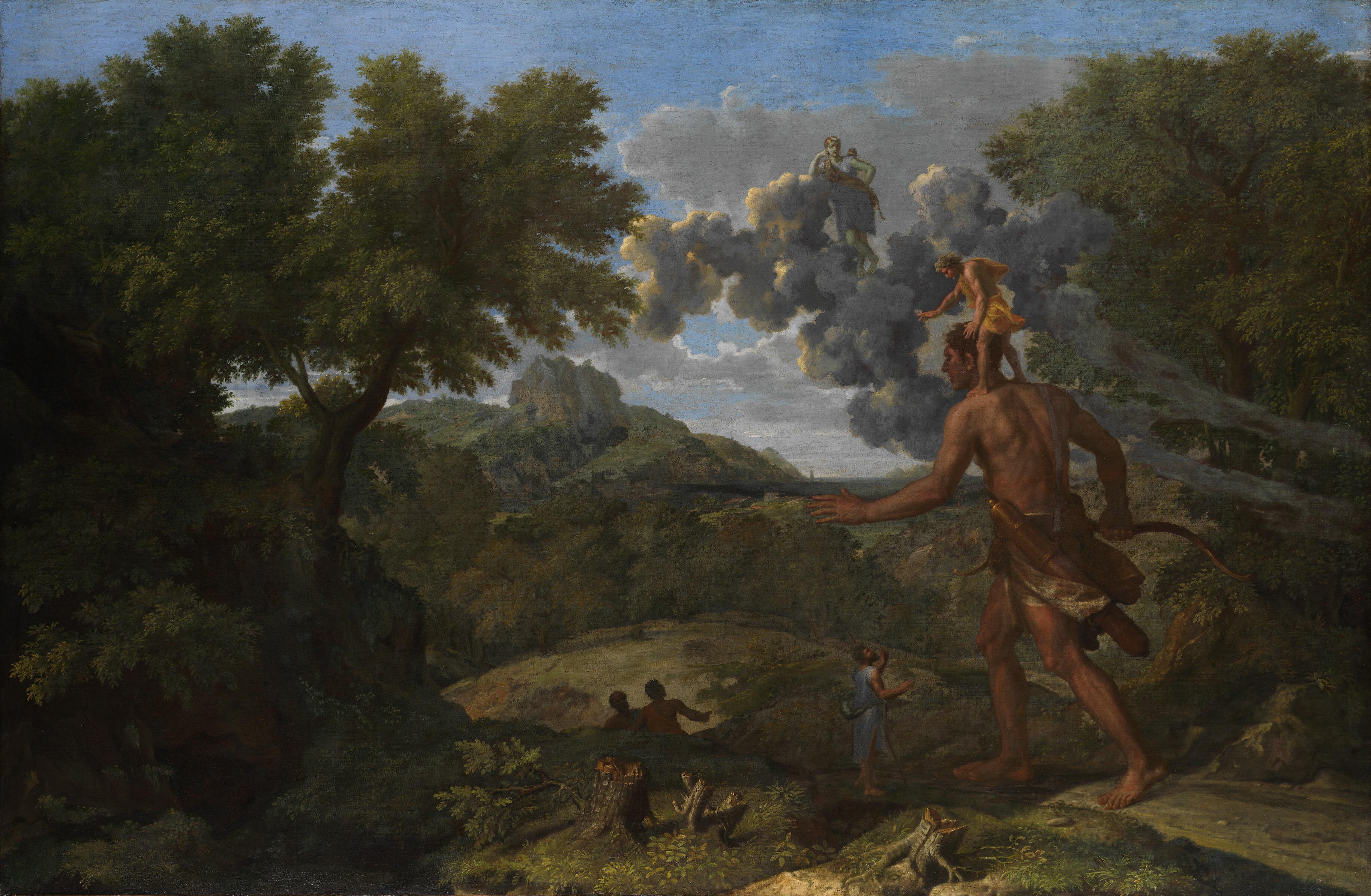
Perception and dream. Two ways of approaching what the world addresses to us, two responses to a speech that is not first our own. One clings to rhythms, tones, textures; the other to spirits that carry the dreamer’s image away. These voices do not merge, yet they share the same demand: that of a listening that precedes all interpretation.
The Harmony of Rhythms
Perception, in this sense, is an attunement or synchronization between my own rhythms and the rhythms of the things themselves, their own tones and textures.
Perception here is not passive reception. It is an adjustment, a synchronization between our own movements and those of things. The wind in the leaves, the grain of bark beneath the fingers, the light fading on the horizon—these phenomena are not inert objects but presences that impose their tempo. To attune oneself to them is to recognize that the sensible world has its own voice, its own modulations. This listening is not metaphorical: it engages the whole body, its breathing rhythms, its way of moving.
Abram does not speak of an indistinct fusion but of an encounter where each retains its singularity. The “tones and textures” of things do not dissolve into human subjectivity; they persist as an alterity with which one must compose. Perception thus becomes a dialogue, a response to what precedes and exceeds us.
The Image Borne Away by Spirits
The shamanic dream (the “dream-value of spirits,” xapiri pë në mari) occurs when the xapiri spirits travel, carrying the dreamer’s image with them.
Here, the world’s speech is not merely a matter of rhythms or textures. It is borne by spirits, the xapiri, who take the dreamer’s image with them to transport it elsewhere. Dreaming is not an individual production but a shared journey, an expedition where the human is no longer at the center but a passenger. Spirits do not merely “represent” the world; they inhabit it, traverse it, and reveal dimensions inaccessible to ordinary perception.
Kopenawa does not describe a theory but a lived experience, where the boundary between dreamer and dreamed blurs. The dreamer’s image is not a mental projection but a concrete entity, carried away by forces beyond it. This shamanic speech demands ritual listening, a readiness for what comes from elsewhere, without seeking to domesticate it.
Distinguishing Before Converging
These two voices do not overlap. Abram speaks of synchronization with sensible rhythms, a listening rooted in the body and its perceptions. Kopenawa describes a speech borne by spirits, an experience where the human is displaced, carried beyond itself. One clings to what is immediately perceptible; the other to what is revealed in dream and ritual.
Yet the same tension runs through both: that of a listening that is not first interpretation but response. For Abram, this response lies in the harmony of rhythms; for Kopenawa, in submission to invisible forces. In both cases, the point is not to understand the world but to adjust to it, to let oneself be transformed by what comes.
The Earth as Living Emanation
If language is an emanation of the Earth, it is neither reducible to human grammar nor to abstract symbolism. It is first a presence, a voice manifesting through elements, spirits, rhythms. Abram and Kopenawa offer two ways of hearing it: one through the senses, the other through dream. But in both cases, this listening demands reciprocity. The world does not reveal itself to those who seek to dominate it; it reveals itself to those who accept being carried by it.
This reciprocity is not fusion but relation. The rhythms of things, the wandering spirits: these are forces that precede us, to which we respond. Language, then, is no longer a tool but a dance—a way of moving with what surrounds us, without seeking to reduce it.
Sources cited
- David Abram, The Spell of the Sensuous, ed. .
- Davi Kopenawa, La Chute du ciel, ed. Plon, coll. Terre humaine, 2010, trans. Bruce Albert (propos yanomami recueillis et traduits).