Inhabiting a Vanishing Territory: Oceanic Precariousness and Resilience
Two Voices for a Borderless Survival
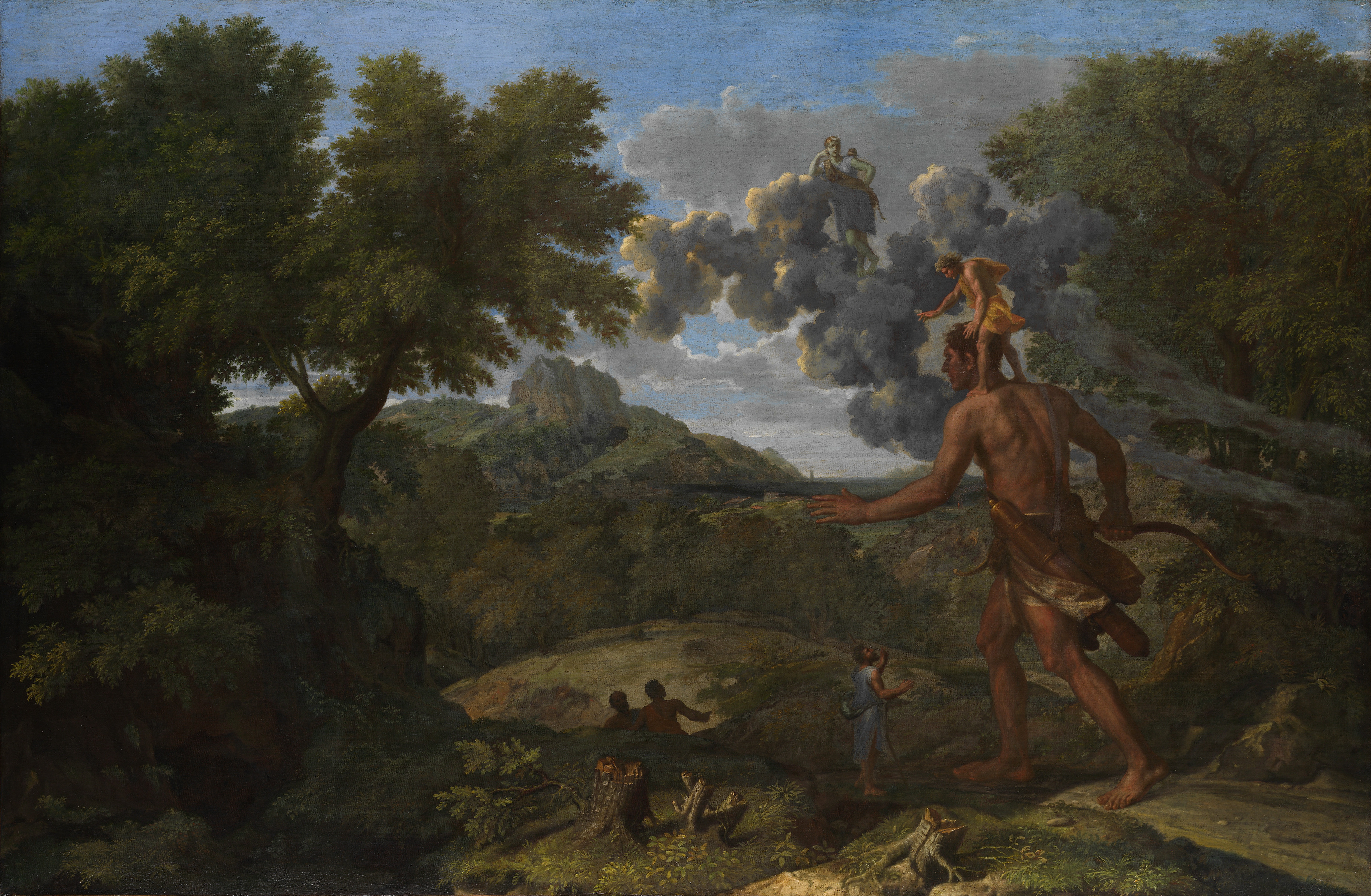
A vanishing territory is not an empty place. It is traversed by forces that unmake it and others that recompose it. Two voices rise to speak of it—one from the ruins of capitalism, the other from the sea-ocean. They do not answer each other directly, but the very gap between them sketches a tension where something of survival is at stake.
Precariousness as Fertile Ground
One reason to keep precariousness in mind is that it reminds us that changing with circumstances is the very ground of survival.
Precariousness is not a passive state here. It is what compels transformation, what forces us to bend with circumstances without submitting to them. Tsing does not describe a world where one merely endures, but one where we compose with what remains, where we cultivate forms of life in the interstices. The ground is not stable soil, but a mix of debris, spores, fragments that, together, allow something else to grow.
This vision does not idealize precariousness. It makes it a condition, not a destiny. Changing with circumstances is not submission, but a way of standing firm where structures collapse. Survival is not a matter of pure resistance, but of continuous adaptation—a dance with what is coming undone.
The Ocean as a Space of Connection
aneconomisticandgeographicdeterministic thatoverlooksculturehistory, contemporaryprocessof consultancyexperts,regional internationaldevelopmentagencies,bureaucraticplannersand economicboundaries,bordersthat agesbeforeCaptainCook’sapotheosis.
Hauʻofa rejects narratives that reduce islands to marginal spaces, determined by economic or geographic boundaries. For him, the sea is not a limit but a space of circulation, memory, and sovereignty. Islands are not isolated points but nodes in an oceanic network where relationships are woven—relationships that precede and exceed the categories imposed by experts, planners, and development agencies.
What is at stake here is another way of thinking about territory. The ocean is not a void between lands but a living milieu, a space of connection rather than separation. The borders Hauʻofa speaks of are not natural: they were drawn by histories of domination, by narratives that froze islands into a position of dependence. Against this, he proposes a vision where the sea unites rather than isolates.
Two Ways of Disappearing, Two Ways of Enduring
These two voices do not speak of the same places, but they share the same attention to the forces that emerge where structures falter. Tsing sees precariousness as fertile ground, Hauʻofa the ocean as a space of connection. One works with ruins, the other with flows.
Yet a common thread emerges: neither resigns to disappearance. Precariousness is not a fatality, but a condition from which we invent. The ocean is not a border, but a milieu where we move, where we reclaim what has been imposed.
What Emerges from the Interstices
If we follow these two voices, inhabiting a vanishing territory is not merely a question of resistance or adaptation. It is also a question of perspective: seeing possibilities in ruins, connections in flows, spaces to reinvent in borders.
Precariousness becomes fertile ground when we accept changing with circumstances. The ocean becomes a space of sovereignty when we refuse to think of it as a limit. Neither offers solutions, but ways of enduring—ways that do not separate survival from transformation.
Sources cited
- Anna Tsing, Le Champignon de la fin du monde, ed. .
- Epeli Hauʻofa, Our Sea Of Islands, ed. A New Oceania: Rediscovering Our Sea of Islands, University of the South Pacific, Suva, 1993, p. 12-13 ; repris dans The Contemporary Pacific 6/1, 1994, trans. texte original anglais ; rendu français maison.