Job Protection Plan
A term that promises to safeguard workers, yet whose everyday use conceals a reality of mass layoffs. Between the original sense of safeguarding—an act of defense—and the technocratic plan, a cold management tool, the word turns against its own meaning. A journey through six languages to grasp this reversal.
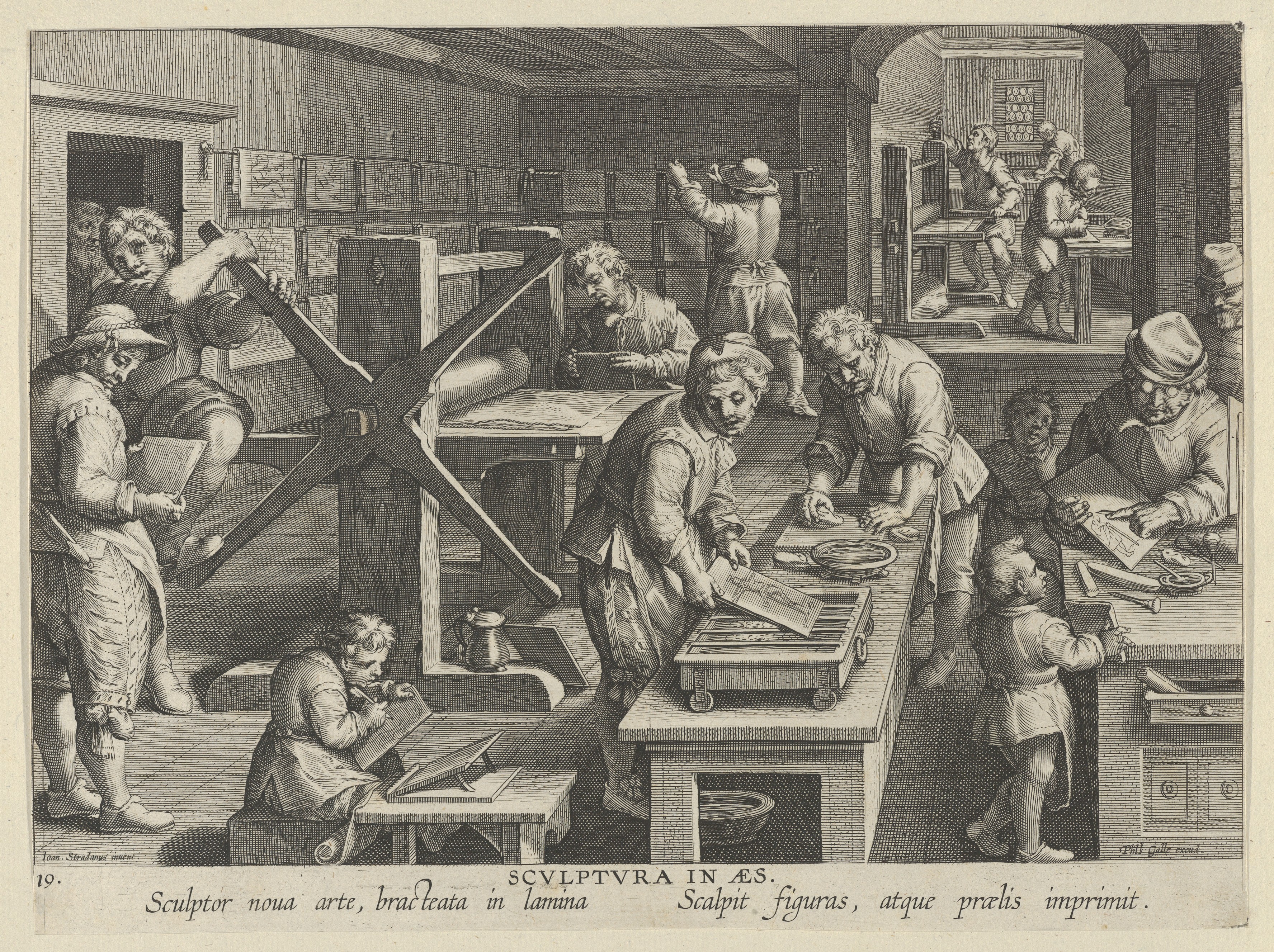
Job protection plan: the phrase seems crafted to reassure. It evokes protection, vigilant guardianship, as if employment were a precious asset to shield from economic storms. Yet behind this promise often lies a very different reality. The word safeguard is twisted to soften what it truly designates: organized layoffs, the methodical elimination of jobs. The plan does not save employment—it manages its disappearance.
The meaning beneath the word
To safeguard is to protect, to defend, to place under safeguard—a term originally denoting protection granted by an authority, whether military, judicial, or symbolic. The verb, attested as early as the 16th century, derives directly from sauvegarde, itself composed of sauf (from Latin salvus, intact) and garde (from Frankish warda, surveillance). Safeguarding is thus a guard that preserves integrity, an active measure to prevent loss or destruction.
The job protection plan borrows this idea of protection but strips it of substance. Where safeguarding implies intervention to prevent harm, the plan merely organizes its consequences. Employment is no longer saved—it is tallied, then reduced. The word plan adds a layer of cold technocracy, turning an emergency measure into a bureaucratic process.
The genealogy of the shift
And for good measure, social plans—which are just another way of saying “collective redundancies”
The shift occurs in stages. First, safeguard is diverted from its active meaning: it no longer denotes the act of protecting but a legal framework meant to mitigate the effects of job cuts. Then, the plan introduces a logic of management, where layoffs become just another variable for adjustment. The entire expression functions as a euphemism, where the positive form (safeguard) masks the negative reality (redundancies).
This mechanism is not unique to French. It relies on a common linguistic structure: pairing a laudatory term (safeguard, protection, guarantee) with a process of destruction to soften its perception. Technocracy excels at this art, where words no longer describe reality but make it palatable.
The same veil, six languages
The distortion is not universal, but where it takes hold, it follows similar patterns. Here is how six languages translate or adapt the expression—and whether they replicate the shift.
| Langue | Forme du mot | Attestation |
|---|---|---|
| French | Plan de sauvegarde de l’emploi | ● |
| English | Job protection plan / Redundancy plan | ● |
| Spanish | Plan de salvaguarda del empleo / Expediente de regulación de empleo (ERE) | ● |
| German | Sozialplan / Beschäftigungssicherung | ● |
| Chinese | 裁员保障计划 cáiyuán bǎozhàng jìhuà | ○ |
| Arabic | خطة حماية الوظائف khutta himayat al-wazaif | ○ |
The shift is evident in French, English, Spanish, and German, where expressions waver between stated protection and the reality of job cuts. In Chinese and Arabic, the terms remain more literal: *保障* (*bǎozhàng*, guarantee) and *حماية* (*himaya*, protection) do not yet carry the same ambiguity, though their use in layoff contexts could expose them to it.
attesté par un dévoileur natif · lacune (non encore sourcé) — jamais « absent »
In French, the expression has become synonymous with plan social, a transparent euphemism. English Redundancy plan acknowledges the reality of layoffs more openly, while Job protection plan maintains the facade. Spanish Expediente de regulación de empleo (ERE) is a legal term that, though technical, does not conceal its purpose: the regulation (often downward) of employment. German Sozialplan (social plan) emphasizes compensation, but Beschäftigungssicherung (job security) remains ambiguous.
In Chinese, 裁员保障计划 (cáiyuán bǎozhàng jìhuà) literally means “layoff guarantee plan”: the protection applies to the workers being laid off, not to the jobs themselves. Arabic خطة حماية الوظائف (khutta himayat al-wazaif) is equally direct: حماية (himaya) means protection, and وظائف (wazaif) refers to jobs. In both cases, the word does not yet lie about its purpose.
Safeguarding employment—or the word?
The job protection plan is a textbook case of managerial Newspeak. It is not a blatant lie but a subtle distortion, where the word is hollowed out to serve a logic foreign to its original meaning. Safeguarding, in its essence, is an act of defense. Here, it becomes a management tool.
One question remains: how far can a word twist before it breaks? When safeguarding no longer protects anything but appearances, what is left to save?
Sources cited
- Éric Hazan, LQR. La propagande du quotidien, ed. Raisons d'agir, 2006.