Consciousness: Rumour or Illusion?
Between Animism and Extractivism: Two Voices for a Single Listening
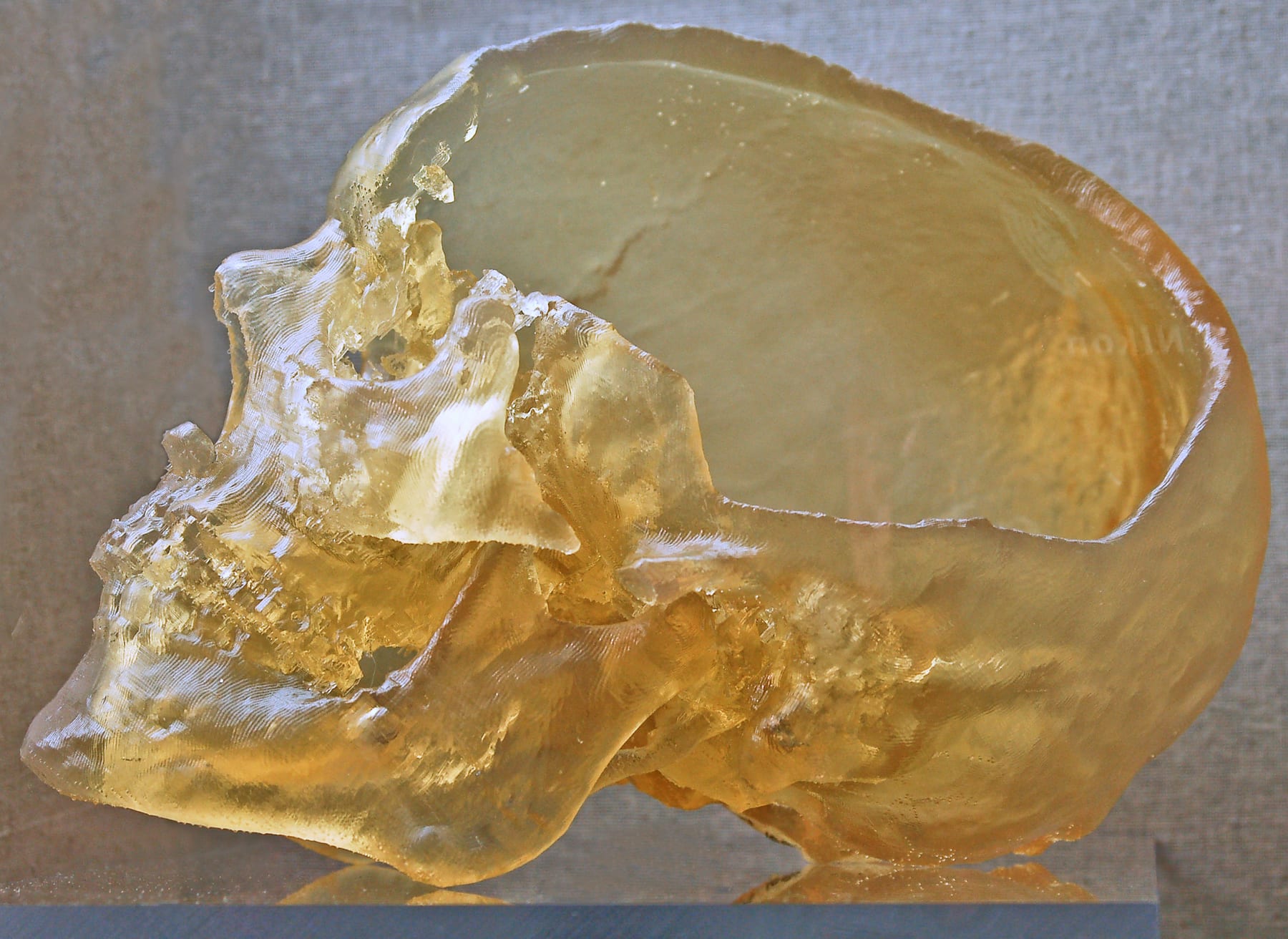
Consciousness—does it stand at the threshold of the world, or is it merely a reflection of our own gaze? Two voices, two narratives. One sees perception as a fundamental reciprocity, the other detects a dangerous construct. First distinguish, then perhaps hear what resonates in their very divergence as a question.
The World’s Rumour
While the reciprocity of perception gives rise to the more explicit reciprocity of speech and language, perception itself remains vulnerable to language’s decisive influence—much as a mother remains especially attuned to her child’s actions.
Here, consciousness is not an isolated attribute but an emergent quality of exchange. To perceive is already to respond. The world is no mute backdrop: it unfolds in the very act of encountering it. Language, born of this reciprocity, becomes both its extension and its risk. Like a mother watchful of her child’s gestures, perception remains vulnerable to what it brings forth. The word may obscure as much as it reveals, yet it never fully severs the original bond.
This vision proposes a listening in which the living and the non-living participate in the same sensory fabric. Stones, rivers, winds are not objects but presences that answer us in their own way. Consciousness is no longer an exclusive property but a shared rumour, a vibration coursing through forms. The danger? That language, hardening, forgets its source and mistakes itself for the sole keeper of meaning.
The Extractivist Illusion
Transitions, on the one hand, do not settle for instrumental or reformist measures; on the other, they do not advocate abrupt change within a brief span of time.
Here, consciousness is not an emergent property but a convenient fiction. It serves to justify a relationship of domination: if nature is endowed with intention, then humans may claim to be its rightful guardians—or predators. Extractivism, in this reading, is not merely an economic practice but a metaphysical stance. It rests on the idea that the world is a resource, and human consciousness its sole interpreter.
The transitions Gudynas speaks of are neither technical adjustments nor sudden revolutions. They demand a rethinking of humanity’s place without falling into the trap of renewed sacralisation. Consciousness, if it exists at all, is not a shared quality but a construct that has naturalised exploitation. The challenge? To escape this logic without reproducing the same patterns of domination, even in spiritualised form.
The Gap as Question
These two voices do not converge. One sees consciousness as a diffuse quality, the other as an illusion to dismantle. Yet their very tension invites a more attentive listening.
Abram suggests that language, though it may betray perception, remains its extension. Gudynas reminds us that any transition must avoid extremes: neither superficial reformism nor brutal rupture. Between them, a shared vigilance: the need to question what we project onto the world, and what the world returns to us.
If consciousness is a rumour, it is not an established truth. If it is an illusion, it is not without consequence. Perhaps wisdom lies in holding this gap, without rushing to close it. In listening to what the world whispers, without presuming what it is.
Sources cited
- David Abram, The Spell of the Sensuous, ed. .
- Eduardo Gudynas, Extractivismos, ed. .