Inhabiting Collapse: Between Active Melancholy and Resilient Sympoiesis
Two Paths for a Consciousness of Trouble
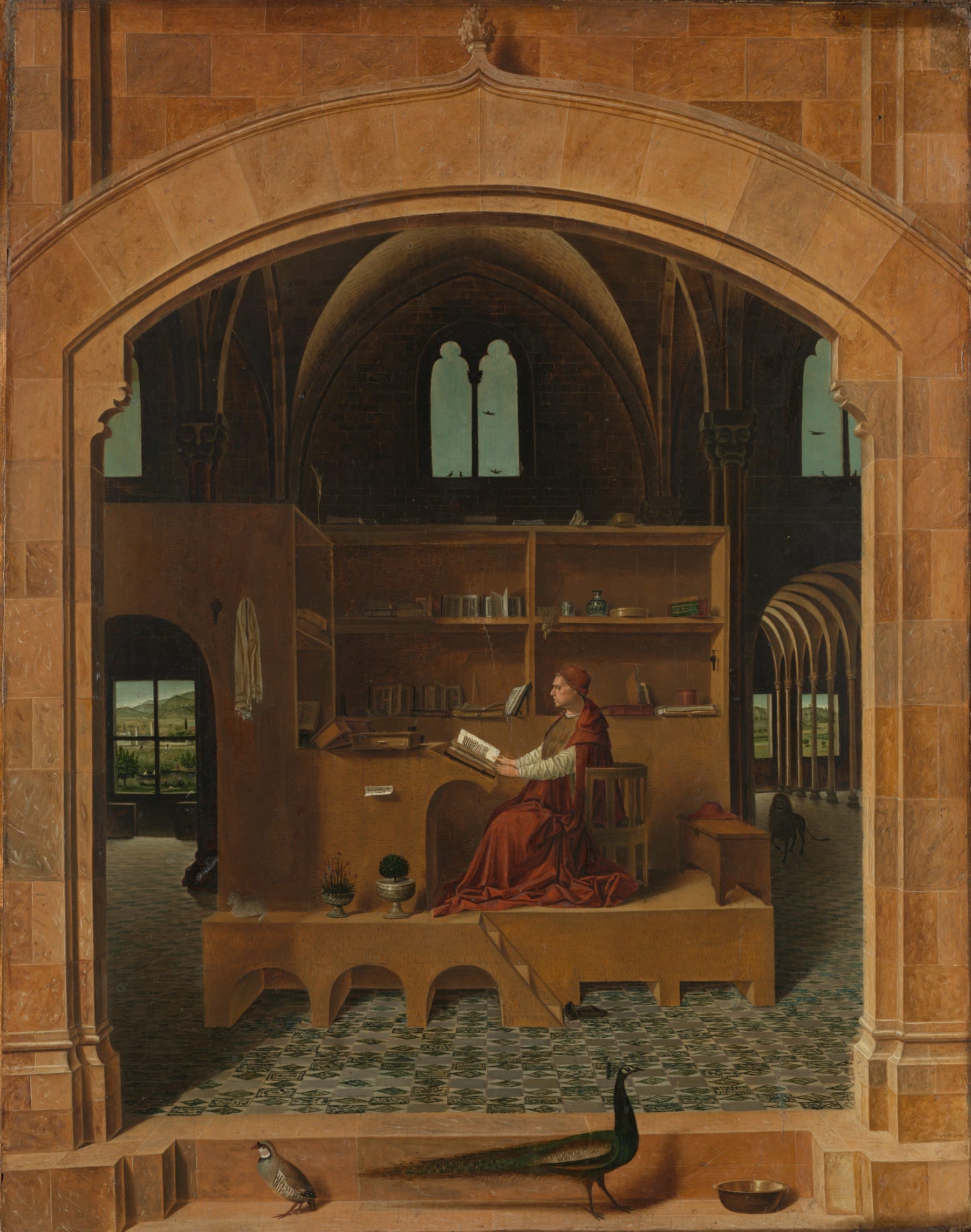
Consciousness of collapse demands an intelligence capable of dwelling in trouble without drowning in it. Two voices echo here, without merging. One, Edgar Morin’s, calls for an active melancholy, where lucidity about the misfortunes of intelligence becomes the foundation of dialogic thought. The other, Donna Haraway’s, proposes cultivating practices of resurgence that confront trauma without surrendering to despair. These two approaches do not oppose each other: they complement one another in their shared rejection of illusion or resignation.
Active Melancholy: Intelligence Facing Its Limits
Morin places human intelligence at the heart of a fundamental tension. It is at once fortune and misfortune, light and shadow. In La Méthode, La Voie, he writes:
The intelligence of human intelligence The intelligent qualities Fortunes and misfortunes of intelligence The thinking dialogic Conceiving conception Consciousness of consciousness The iceberg of unconsciousness The underdevelopment of consciousness Conclusion: The owl of Minerva The prehistory of the human mind
This enumeration is no mere catalog. It sketches a cartography of the mind’s strengths and weaknesses. For Morin, intelligence is a faculty that carries its own traps within itself. Its “misfortunes” are not external accidents but inherent risks of its very functioning. The thinking dialogic, for instance, is the capacity to hold contradictory logics together, yet it demands acute awareness of its own limits.
Active melancholy arises from this realization. It is not resignation but a lucidity that enables action nonetheless. Morin evokes the “iceberg of unconsciousness” and the “underdevelopment of consciousness” as realities we must contend with. In this perspective, collapse is not merely an external crisis: it also reveals the flaws in our collective intelligence. Melancholy thus becomes a driving force, an energy that compels thought despite the shadow, action despite uncertainty.
Resilient Sympoiesis: Living with Trouble
Haraway, in Staying with the Trouble, offers another path. She does not deny the gravity of trauma but refuses to let it define the horizon. She writes:
She proposes a form of resurgence capable of confronting—without denial, without cynicism, without despair—the original and repeated traumas that have marked the history of Black Mesa.
The resurgence Haraway speaks of is not a return to the past but an active repair. It entails “staying with the trouble” without seeking to resolve it definitively. Trauma is not erased: it is integrated into a practice of sympoiesis, where human and non-human beings collaborate to create resilient forms of life. The refusal of despair is not naive optimism but a decision not to let the worst dictate the terms of existence.
Haraway insists on the importance of avoiding both denial and cynicism. Though different, these two attitudes share a negation of transformative action. Sympoiesis, by contrast, is a practice that embraces the world’s complexity without submitting to it. It proposes cultivating relationships that repair, even partially, the fractures caused by collapse.
Holding the Tension: Two Movements for a Single Intelligence
These two approaches do not exclude each other. They respond to one another as two facets of the same intelligence confronting collapse. Morin emphasizes tragic consciousness, the necessity of recognizing the limits of the human mind. Haraway, for her part, stresses the capacity to act despite those limits, to create forms of life that incorporate trouble without losing themselves in it.
Active melancholy and resilient sympoiesis can coexist. The first offers lucidity about the misfortunes of intelligence; the second proposes practices to overcome them. Together, they outline a path where awareness of collapse does not lead to paralysis but to action that is both humbler and more inventive.
Morin evokes the “owl of Minerva,” symbol of a wisdom that reveals itself only at dusk. Haraway speaks of resurgence, of rebirth emerging from ruins. These two images are not contradictory. They invite us to think of collapse not as an end but as a moment when human intelligence reveals itself in all its complexity: at once vulnerable and creative, lucid and restorative.
Sources cited
- Edgar Morin, La Methode, ed. Seuil, 1993 (avec Anne Brigitte Kern).
- Donna Haraway, Vivre avec le trouble, ed. .