Ethnic Cleansing
A term of domestic cleanliness twisted to name systematic horror. Behind the euphemism lies genocide, disguised as a cleaning operation. The map of languages reveals the same gesture: masking violence through language. How a word becomes an accomplice.
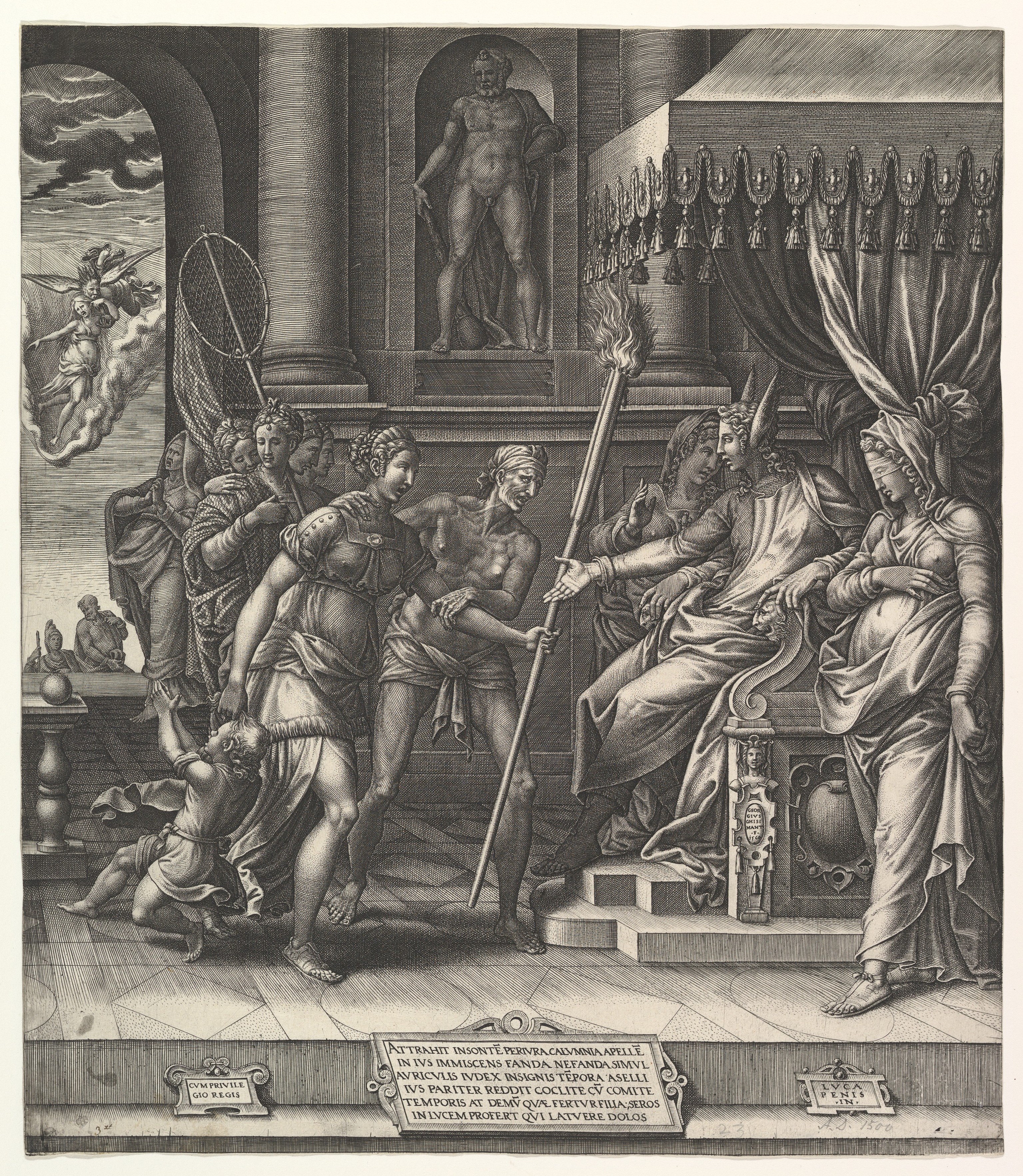
Ethnic cleansing: two words that, when joined, turn the innocence of a broom into the shadow of a crime. Spanish, like other languages, has harnessed the power of domestic metaphors to veil the unspeakable. Here, cleanliness becomes synonymous with elimination, and language becomes an accomplice by substituting euphemism for truth. This distortion is no accident—it is a strategy: to make the unacceptable palatable by cloaking it in the guise of order.
The Meaning Beneath the Word
Originally, limpieza denotes the act of cleaning, of purifying a space or an object. The term traces its roots to the Latin limpidus, evoking clarity, transparency, and, by extension, the absence of filth. In its primary sense, it applies to concrete actions—washing, sweeping, disinfecting—before expanding, through metaphor, to more abstract notions: moral purity, integrity, even social purification. It is this last connotation, already laden with ambiguity, that would be hijacked to serve as a mask for organized violence. The shift is far from incidental: it rests on the idea that order, even when imposed by force, can be presented as a form of cleanliness.
The Genealogy of the Shift
The perversion of limpieza étnica is part of a long tradition of linguistic manipulation, where words are wielded to soften the brutality of acts. The phrase emerges in political and media discourse to describe campaigns of extermination or forced displacement, all while dressing them in an apparent legitimacy. The choice of term is anything but neutral: it suggests a necessary, almost hygienic operation where there is only destruction. In La seducción de las palabras, Álex Grijelmo exposes this mechanism, showing how language becomes complicit in the gravest of crimes:
Decades after Nazism, Slobodan Milošević, the Serbian genocidaire, would propagate the term “limpieza étnica” (genocide) into the turn of the century, deploying a language of traps and manipulations strikingly similar to those that came before.
The quote lays bare the essence of the distortion: limpieza étnica is not merely a translation of “genocide” but a reformulation that erases its violence. The word limpieza evokes a methodical, almost technical action, while étnica reduces victims to an abstract category, stripped of humanity. It is no coincidence that the term gained traction in contexts where propaganda sought to justify the unjustifiable. By replacing reality with euphemism, language becomes a tool of dehumanization, allowing perpetrators to present themselves as agents of order rather than criminals.
The Same Veil, Across Languages
This maneuver is not unique to Spanish. Other languages have adopted similar formulations, where the metaphor of cleanliness serves to obscure horror. The table below reveals this ethno-politico-linguistic intersection, where each term, in its original language, replicates the same mechanism of distortion.
| Langue | Forme du mot | Attestation |
|---|---|---|
| French | nettoyage ethnique | ● |
| English | ethnic cleansing | ○ |
| German | ethnische Säuberung | ○ |
| Spanish | limpieza étnica | ● |
| Italian | pulizia etnica | ○ |
| Russian | этническая чистка etnicheskaya chistka | ○ |
| Turkish | temizlik operasyonu | ○ |
| Chinese | 种族清洗 zhǒngzú qīngxǐ | ○ |
Same nature (euphemizing crime) and same object (systematic genocide) attested in French and Spanish. Examined without precise attestation of this distortion in English, German, Italian, Russian, Turkish, or Chinese.
attesté par un dévoileur natif · lacune (non encore sourcé) — jamais « absent »
In French, the phrase « nettoyage ethnique » operates on the same principle. Éric Hazan, in LQR: The Everyday Propaganda, highlights how this term, borrowed from the rhetoric of cleanliness, was absorbed into media discourse to dull the perception of crime. As in Spanish, the word nettoyage suggests a necessary, almost mundane action where extermination should be named. The following quote bears witness:
For the ideologues of generalized cleansing—from Kabul to Grozny, from Rafah to La Courneuve—the most fitting public language is that of intimidation.
The parallel between the two languages is striking: in both cases, domestic vocabulary is repurposed to serve as a screen for violence. Whether in Spanish or French, the mechanism is identical—reducing genocide to a cleaning operation, thereby making it palatable to those who prefer not to see.
The Word as Accomplice
Limpieza étnica is more than a term. It is a revealer: it shows how language can be used to veil truth, but also how, once the veil is lifted, it can become a tool of resistance. To name things by their true names is to refuse complicity in silence. The question that remains is simple: how far will we go in accepting euphemisms before we finally choose clarity?
Sources cited
- Álex Grijelmo, La seducción de las palabras, ed. Taurus, 2000.
- Éric Hazan, LQR. La propagande du quotidien, ed. Raisons d'agir, 2006.