Sovereignty as Relational Responsibility
What Hirini Moko Mead Teaches Us About the Art of Care
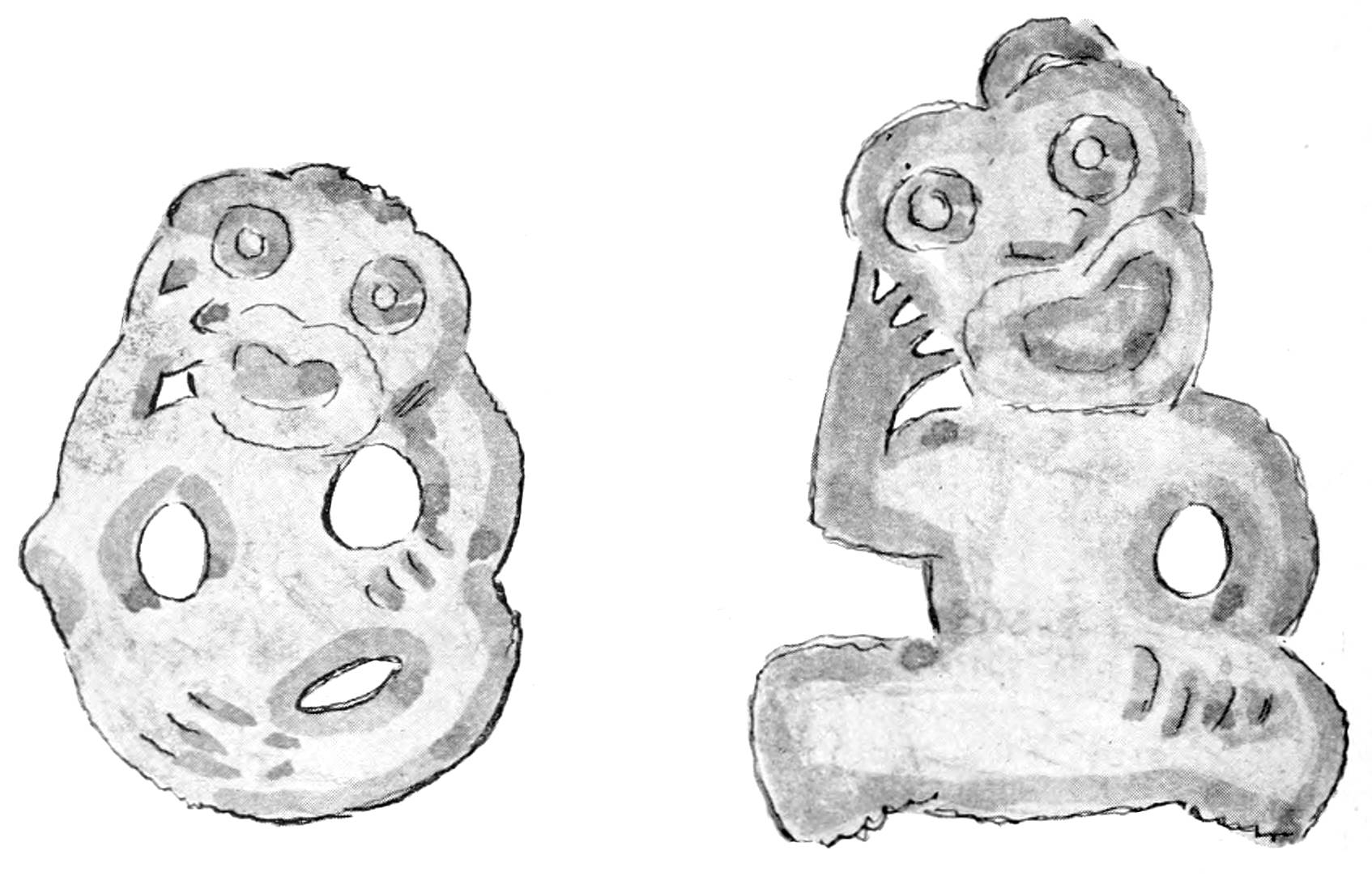
When sovereignty is invoked, the Western imagination often conjures figures of power, borders to defend, hierarchies to uphold. Hirini Moko Mead, in his exploration of Māori values, offers a radically different vision: sovereignty as an engaging responsibility, an obligation to tend to the bonds that unite beings—human and otherwise. This conception does not merely theorize an ethic; it takes shape in daily practices, rituals, and gestures that restore and preserve the balance of relationships.
For Hirini Moko Mead, the obligations arising from this vision are anything but abstract. They manifest in precise moments, such as funeral ceremonies, where kin are bound to support the entire process. These rituals are not mere formalities; they are opportunities to reaffirm fragile ties, to nourish them through active presence. The visibility of community members, their physical and emotional engagement, plays a central role: it is a way of showing that these bonds matter, that they deserve to be maintained. This demand extends beyond biological kinship. It encompasses those who, through shared experiences, become like family, as well as places steeped in memory—ancestral spaces where such ceremonies unfold.
Hirini Moko Mead observes that this relational logic rests on a fundamental value: care for others. This care is not reduced to politeness or occasional generosity. It requires constant attention to how one treats others, a vigilance against wounding or disrupting the balance of exchanges. During gatherings, for instance, hosts must ensure that each guest is welcomed, fed, and able to depart in peace. Even in situations where tensions might arise—conflicts or reparations—this value guides actions to prevent relationships from fraying. The contributions offered at these events, whether material or symbolic, are often seen as gifts without immediate expectation of return. Yet this apparent gratuity conceals a deeper logic: that of deferred reciprocity, where the gift received binds the recipient to give in return, one day, in another form.
This dimension of reciprocity lies at the heart of the practices described by Hirini Moko Mead. It structures exchanges during large gatherings, where groups traveling from afar bring financial or material support. In return, hosts know they can count on similar assistance when they organize their own events. This circulation of gifts and counter-gifts is not a simple transaction; it is a way of keeping relationships between communities alive. Yet Hirini Moko Mead notes that this logic now faces concrete challenges. Economic constraints and the struggle to meet one’s own needs make the obligation to reciprocate more difficult. Despite this, the demand to contribute, even modestly, persists. It manifests with particular intensity during funeral ceremonies, where kin mobilize en masse—sometimes traveling great distances—to honor their obligations.
English Reciprocal obligations are very important Ngā Āhuatanga o te Tikanga Māori in public events of this sort.
English Reciprocal obligations hold paramount importance in Ngā Āhuatanga o te Tikanga Māori during public events of this nature.
For hosts, organizing such an event is a formidable challenge. They must reconcile material imperatives with the demand to care for participants. Months of preparation are required to ensure this value is upheld. A lapse, even unintentional, can leave a lasting mark—not so much on the event itself, but on how it was received. Criticism, in these contexts, does not focus on technical details, but on the failure to honor this relational obligation. Hirini Moko Mead thus emphasizes that these gatherings are not mere celebrations; they are moments where community cohesion is at stake, where the strength of the bonds uniting them is reaffirmed.
This vision of sovereignty as relational responsibility invites us to rethink our relationship to power. It suggests that authority is not measured by the capacity to dominate, but by the capacity to care. It reminds us that relationships—whether between humans or with the non-human world—are fragile and require constant engagement. In this, Hirini Moko Mead’s thought offers a path to re-enchant our way of inhabiting the world: not by seeking to control it, but by learning to tend to it, with humility and perseverance.
Sources cited
- Hirini Moko Mead, Tikanga Maori Living By Maori Values, ed. Huia Publishers, 2003, trans. rendu français maison (œuvre en anglais, courtes citations attribuées).