The Earth’s Invisibles
Those who till, harvest, and die so others may eat without seeing them
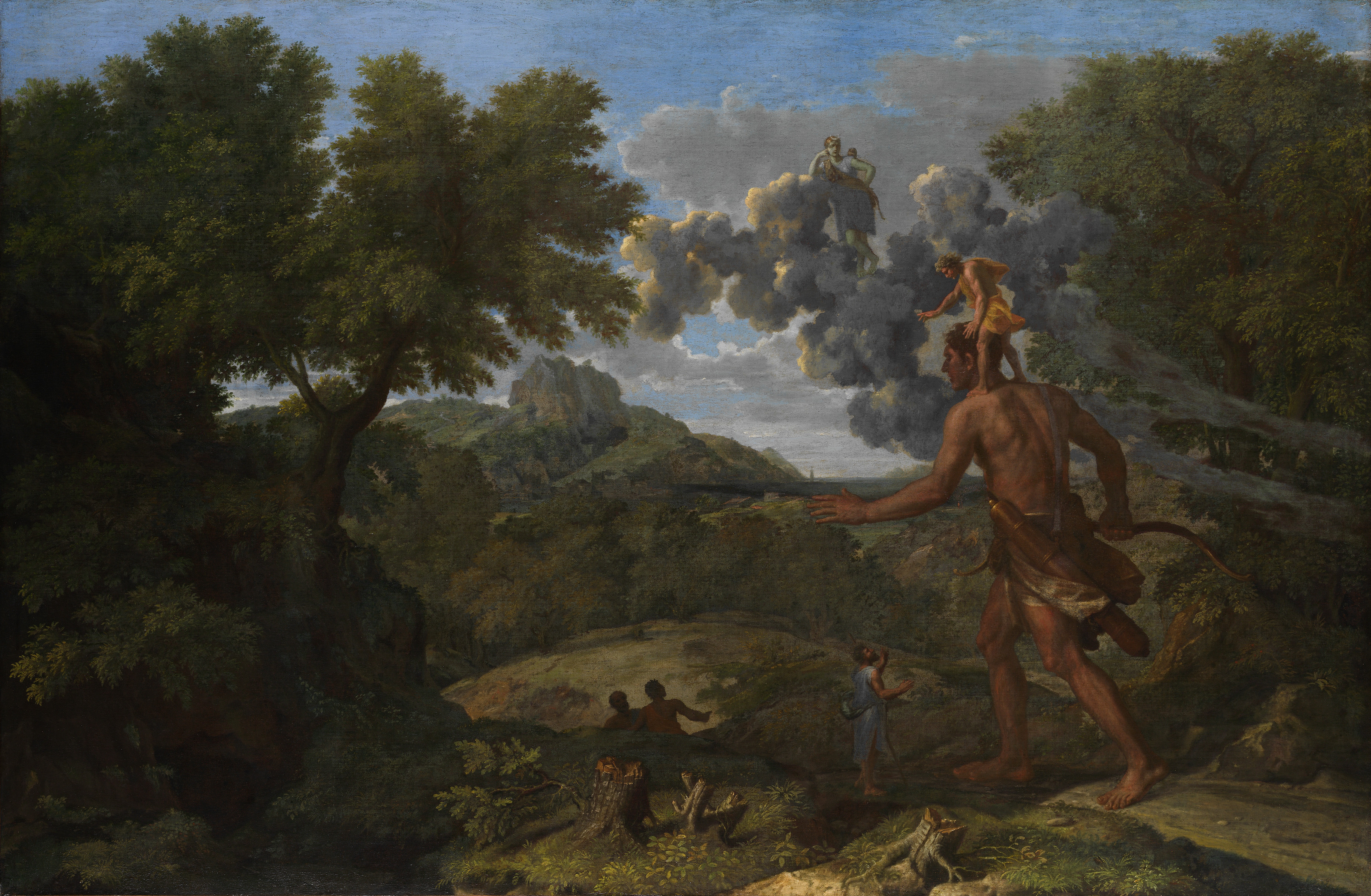
The earth gives without measure. It bears those who work it, those who extract from it, those who die for it. Yet these lives remain in the blind spot of hurried gazes. Two propositions stand facing each other, not yet touching.
The Margin as Revelation
Tsing suggests looking where capitalism unravels as much as it constructs. This is not a theory of grand systems, but of fragile arrangements, of stories that fork. She writes:
WORKING ON THE MARGINS To approach capitalism through a theory that emphasizes ephemeral arrangements and multidirectional histories may seem a somewhat extravagant endeavor.
Extravagant, yes, for it shifts the gaze. Instead of following dominant flows, she clings to what persists at the edges: mushroom foragers, agricultural laborers, depleted soils. These precarious existences are not exceptions but the very conditions of production. They reveal what capitalism erases: dependence on multispecies collaborations, non-human rhythms, lives that hold together without being accounted for.
The margin is not a place but a method. It exposes the cracks where those who sustain the edifice without being its recognized pillars reside. The earth’s invisibles are not absent—they are simply kept off-frame.
Ethics as Displacement
Leopold, for his part, starts from another point. For him, no moral transformation occurs without an inner revolution. It is not about adding rules but shifting what counts. He observes:
No important evolution in ethics has ever taken place without an intrinsic change in our intellectual principles, loyalties, affections, and convictions.
This change is not a matter of individual morality but of relation. Leopold speaks of the earth as a community where every being has intrinsic, non-market value. The invisibles—whether human, vegetal, or mineral—are not resources but members. Their existence need not be justified by utility.
The ethics he proposes is not an injunction but a suggestion: what if we regarded the earth otherwise than through the prism of extraction? Not as a reservoir but as a fabric of relations where each thread, however slender, contributes to the weave.
Where the Voices Meet
Tsing and Leopold do not speak of the same invisibles. One describes precarious arrangements, the other an expanded community. Yet their propositions converge in a single gesture: that of shifting the gaze.
Tsing shows that capitalism holds only through collaborations it does not acknowledge. Leopold suggests these collaborations could form the foundation of another way of dwelling on earth. Neither prescribes. They simply propose seeing what is already there—and which, nonetheless, remains invisible.
The earth’s invisibles do not ask to be saved. They ask to be named. Not as victims, nor as heroes, but as presences that make possible what we take for granted. Perhaps this is where ethics begins: learning to distinguish before converging.
Sources cited
- Anna Tsing, Le Champignon de la fin du monde, ed. .
- Aldo Leopold, Almanach d un comt des sables, ed. .